Introduction to Moroccan Cycling Adventures
The rich tapestry of Morocco presents both a unique terrain for cyclists and a vibrant cultural backdrop that has captivated explorers for centuries. Biking through this magnificent landscape provides an opportunity for enthusiasts to blend exhilarating physical activity with immersive cultural experiences. From the bustling souks of Marrakech to the serene expanses of Erg Chebbi, the journey is not just about cycling; it is about experiencing the diverse heart of Morocco.
Cyclists can expect to encounter a variety of landscapes, ranging from arid deserts to lush oases, while navigating through ancient cities that tell tales of their illustrious histories. The route from Marrakech to Erg Chebbi stands out not only for its breathtaking views but also for the contrast between the urban and rural environments encountered along the way. The adventure begins in Marrakech, a city pulsating with energy, where riders can engage with local artisans and explore the rich heritage before heading into the expansive Sahara.
As the journey progresses, adventurers will tackle diverse terrains that challenge their cycling skills while rewarding them with stunning panoramas. The physical demands of this route are balanced by moments of cultural connection, such as stopping at traditional Berber villages and interacting with local communities. This harmonious blend of cycles and culture enhances the overall biking experience, making it an unforgettable adventure for cyclists of all skill levels.
In this article, we will delve deeper into the specific highlights of this Moroccan cycling journey, providing insights into preparations, points of interest, and the unique experiences that await those who choose to embark on this epic biking adventure. Prepare to engage both your body and spirit as you explore the remarkable landscapes and rich heritage of Morocco.
Preparing for the Journey: Gear and Logistics
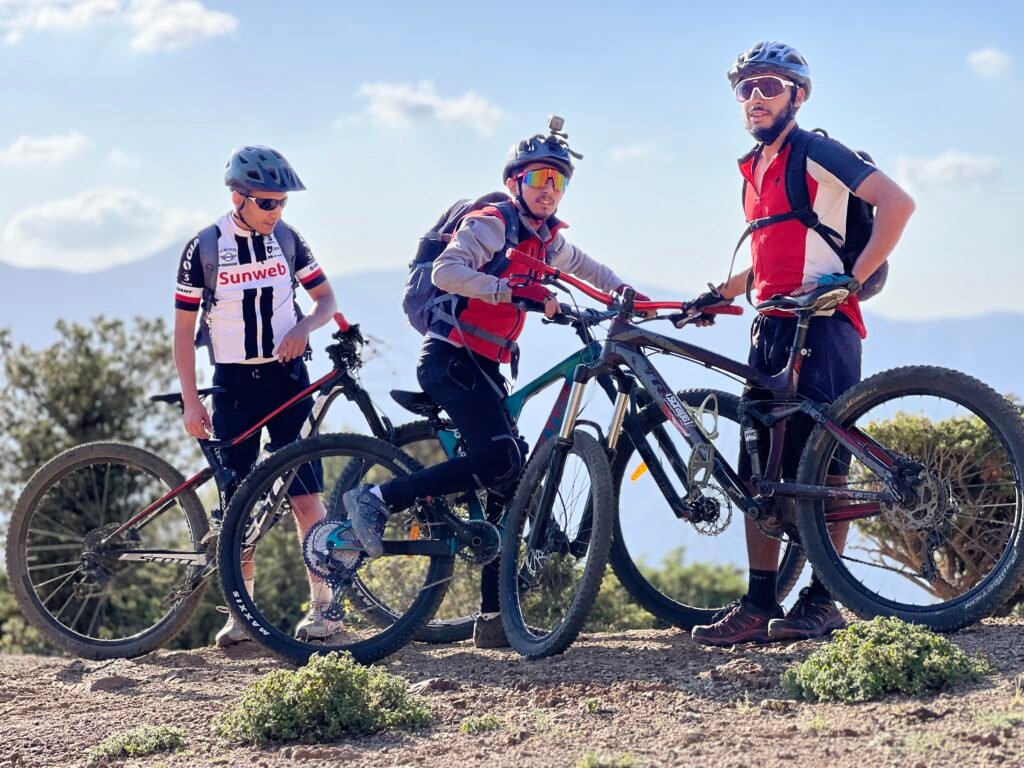
Embarking on an epic biking adventure through Morocco requires meticulous preparation concerning gear and logistics. As cyclists set off on this eight-day journey, having the right equipment is paramount to ensure a safe and enjoyable experience. A high-quality touring bike is essential, and it is advisable to consider a model that offers stability and comfort over long distances. Cyclists should also bring appropriate cycling clothing suitable for varying weather conditions. Lightweight, moisture-wicking fabrics help in regulating body temperature and enhancing comfort during rides.
In addition to bike selection, individuals should conduct thorough bike maintenance before departure. This involves checking tire pressures, ensuring brakes function effectively, and lubricating the chain. It’s also prudent to carry a basic repair kit, including spare tubes, tire levers, and a pump. Being equipped to handle minor repairs can make a significant difference on the road, allowing for a smoother journey.
Packing smart is another key aspect of preparation. Cyclists should prioritize essential items, such as hydration systems, energy snacks, navigation tools, and personal items. Using panniers or a spacious backpack helps distribute weight evenly, thus enhancing cycling efficiency. Additionally, packing a first aid kit is highly recommended to address any potential injuries or ailments encountered during this active adventure.
Logistical considerations also play a crucial role in planning the trip. Travelers must ensure they possess all necessary permits for biking in certain areas and should familiarize themselves with Morocco’s cycling laws. As for local transportation options, it is worth noting that buses and taxis are prevalent, offering convenient travel alternatives when not cycling. By addressing these gear and logistics aspects, cyclists can set the stage for a successful expedition through Morocco’s breathtaking landscapes.
Daily Ride Structure and Route Overview
Embarking on such an epic cycling journey as the 8-day adventure through Morocco requires a well-structured itinerary that enhances the experience for cyclists. Each day is crafted to balance distance and terrain, ensuring that participants enjoy the scenic beauty while maintaining an engaging cycling routine.
On Day 1, cyclists begin their adventure with a ride starting in Marrakech, covering a distance of approximately 50 kilometers. This route primarily features paved roads with gentle undulations, leading into the Atlas Mountains. The average elevation gains about 200 meters, providing a warm introduction to the geography of Morocco.
Day 2 elevates the challenge, as cyclists traverse rugged terrain toward Ouarzazate, a distance of 65 kilometers awaits. This segment involves a mix of flat stretches and steep ascents, with an elevation gain of 800 meters. The demanding landscape allows cyclists to experience breathtaking views of the mountains.
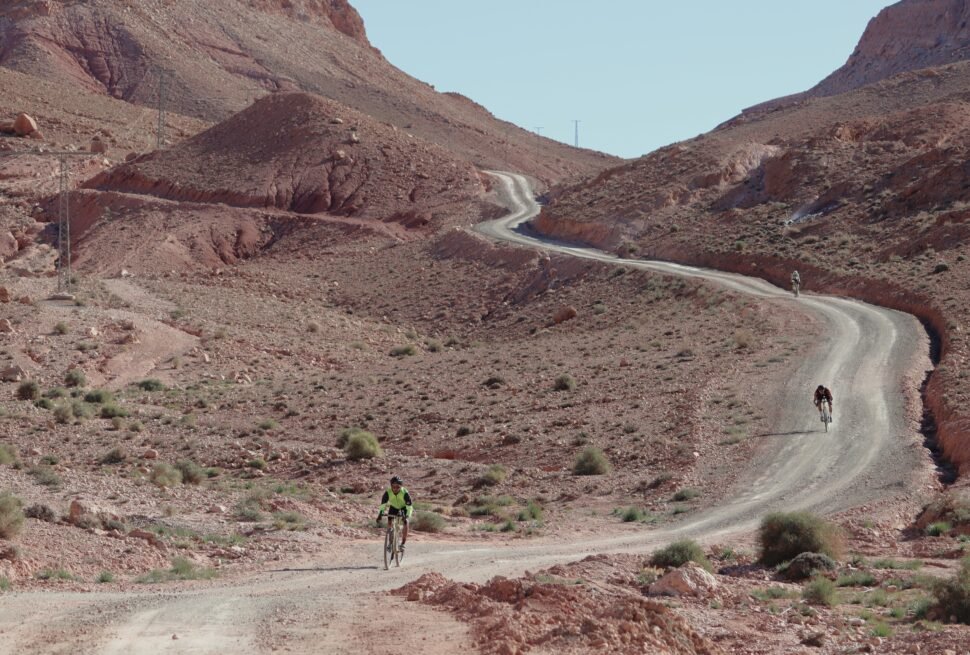
Continuing on Day 3, cyclists will cover roughly 70 kilometers as they make their way toward Dades Gorge. The path on this day includes challenging climbs and rewarding descents, with an elevation change of 600 meters. Riders will face variable terrain types, blending rocky trails and asphalt roads, all while surrounded by stunning natural landscapes.
Day 4 offers rest and exploration in Dades, allowing cyclists to recover while enjoying local culture. The following days, Days 5 to 8, maintain a balance of distance and varying elevations, engaging cyclists in longer rides that range from 60 to 80 kilometers. These final stages present the opportunity to experience the Sahara’s vast expanse and immerse themselves in Moroccan traditions.
This structured daily ride approach not only ensures that cyclists can enjoy Morocco’s diverse terrains but also allows them to build endurance through a mix of scenic exploration and cycling challenges.
Terrain Types and Elevation Profiles
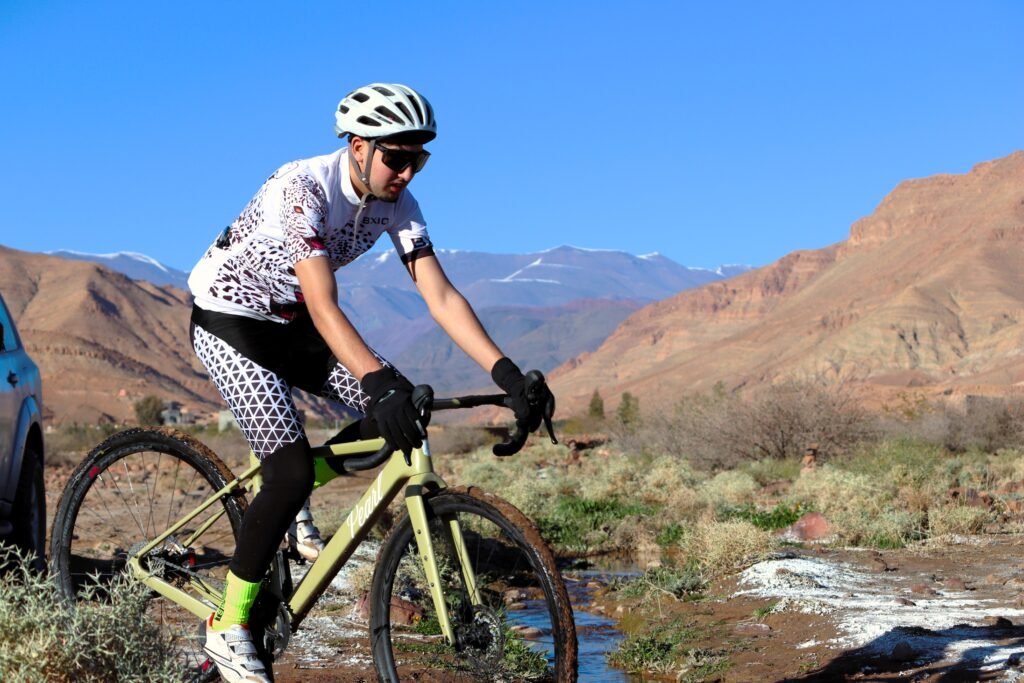
The route for the cycling journey through Morocco is a vibrant tapestry of diverse terrains that offers cyclists a unique blend of challenges and scenery. Riders will encounter everything from rugged mountain passes to expansive desert valleys, each demanding a different approach and strategy. The journey begins in the foothills of the Atlas Mountains, where the steep climbs present both a test of endurance and an opportunity to appreciate breathtaking vistas. Cyclists can expect varying gradients; while some ascents exceed 15%, others can be more gradual, allowing for recovery periods to enjoy the surrounding natural beauty.
As the journey progresses, the topography shifts dramatically. The descent into valleys can be exhilarating, but it also requires careful handling of the bike to navigate tighter turns and variable road conditions. Cyclists should be prepared for the occasional rocky terrain and need to maintain focus to avoid hazards. Approximately halfway through the adventure, the route crosses into expansive desert landscapes where the terrain levels off significantly. Here, the cycling experience offers a different challenge, as heat and sand can test one’s stamina and hydration levels.
To successfully tackle the various terrain types, preparation is key. Proper gearing and bike maintenance are vital for efficiency, especially during climbs where higher gears may be necessary. Conversely, during flat stretches, maintaining a consistent cadence can maximize speed. Having adequate knowledge of elevation profiles enables cyclists to strategize their rides effectively. For instance, anticipating a steep incline allows time for the riders to pace themselves appropriately. Ultimately, the combination of mountain challenges and flatter stretches makes this cycling adventure through Morocco richly rewarding for all who partake.
Support Systems: Safety and Logistics
The journey of cycling through the vibrant landscapes of Morocco is thrilling and exhilarating, yet it necessitates robust support systems to ensure the safety and well-being of all participants. A structured support framework is essential for addressing the myriad challenges that cyclists might face, ranging from mechanical issues to personal emergencies.
During the eight-day cycling adventure, dedicated support vehicles accompany the group, offering continuous assistance. These vehicles are vital for transporting gear, snacks, and hydration essentials, ensuring that cyclists can focus on enjoying their biking experience. Furthermore, experienced guides are on hand, well-trained in providing roadside assistance for any mechanical failures or bike repairs that may arise while on the road. This level of preparedness instills confidence in cyclists, allowing them to tackle the Moroccan terrain without anxiety.
Safety measures are paramount, and therefore, participants receive a comprehensive briefing before embarking on their adventure. This briefing includes lessons on road safety, traffic awareness, and established hand signals used by cyclists. In case of emergencies, the ride leaders are equipped with protocols which direct actions taken during unforeseen situations, ensuring every cyclist is accounted for and assisted effectively.
The rhythmic motion of the pedals and the camaraderie of fellow cyclists foster a spirit of adventure. Knowing that there are diligent support systems in place allows participants to immerse themselves in the beauty of Morocco, secure in the knowledge that help is readily available should the need arise. This not only enhances safety but also enriches the overall cycling experience for everyone involved.
Cultural Encounters and Local History
The journey through Morocco presents an unparalleled opportunity for cyclists to immerse themselves in the nation’s rich cultural tapestry and layered history. As one pedals through the diverse landscapes, each turn reveals stories embedded in the land, from ancient Berber heritage to monumental historical sites.
The Berber people, indigenous to North Africa, offer a glimpse into a way of life that has thrived for centuries. Cyclists will encounter Berber villages as they ride, featuring traditional mud-brick homes and vibrant local markets. Engaging with the Berber community allows for authentic experiences—taste unique cuisines, witness handmade crafts, and appreciate the traditional music that fills the air. This connection allows cyclists to foster a deeper understanding of Berber names, like the majestic Atlas Mountains, which are central to their lore and identity.
Along the route, significant historical landmarks further enrich the cyclist’s experience. The ancient city of Marrakech, with its bustling souks and the famous Jemaa el-Fnaa square, showcases Morocco’s historical significance as a crossroads of trade and culture. Exploring the Medina offers insights into the architectural styles that reflect a blend of Islamic, Berber, and French influences that mark Morocco’s past.
The tradition of hospitality is deeply embedded in Moroccan culture, making every interaction memorable. Cyclists will find that locals are often eager to share stories and invite them to partake in local customs. This generosity enhances the cycling journey, allowing for meaningful exchanges and an intricate view of life in Morocco.
Through biking in such culturally rich environments, cyclists not only engage in an adventure for their bodies but also embark on explorations that resonate on a personal and cultural level. With every pedal stroke, knowledge and experience intertwine, crafting a truly epic journey through Morocco’s vibrant history and hospitality.
Accommodation Standards Along the Route
When embarking on an epic cycling journey through Morocco, cyclists can anticipate a diverse range of accommodations catering to their varying preferences and comfort levels. The options range from luxurious hotels to modest guesthouses, and even unique camping experiences, each providing distinct advantages for adventurers on two wheels.
Hotels along the route often offer the most comfort, featuring well-appointed rooms and modern amenities such as Wi-Fi, air conditioning, and on-site dining options. These establishments typically cater to cyclists through services like secure bike storage and repair facilities, allowing for a convenient and restful stay after a long day of biking. Additionally, some hotels are positioned strategically near popular cycling trails, ensuring easy access to the adventure ahead.
Guesthouses provide a more intimate experience, often run by local families who extend their hospitality to travelers. Staying in a guesthouse allows cyclists to immerse themselves in Moroccan culture, with opportunities to savor homemade meals and interact with residents. Many guesthouses prioritize comfort while maintaining a cozy ambiance, making them an excellent choice for those seeking a more personal connection during their cycling adventure.
For the more adventurous, camping options are available throughout various segments of the cycling route. This choice allows cyclists to engage directly with Morocco’s stunning natural landscapes and experience the great outdoors firsthand. While camping may involve a lack of certain amenities, it offers a unique opportunity to connect with nature and fellow cyclists in a serene setting, often under the stars.
Ultimately, the variety of accommodations available during this journey ensures that each cyclist can find a suitable resting place, whether they prefer the luxury of hotels, the warmth of guesthouses, or the thrill of camping. With the right accommodation, cyclists can recharge and prepare for the next day’s adventures, enhancing their overall experience in Morocco.
Moroccan Cuisine: A Culinary Journey
Embarking on a biking adventure through Morocco not only promises breathtaking landscapes but also offers a chance to indulge in the country’s rich and diverse culinary heritage. Moroccan cuisine is an exquisite blend of flavors, textures, and aromas, influenced by a mix of Berber, Arab, and Mediterranean cultures. For cyclists, every stop along the route provides an opportunity to savor traditional dishes that elevate the travel experience.
One of the most iconic dishes that adventurers will encounter is tagine, a slow-cooked stew named after the earthenware pot in which it is prepared. This dish can feature various ingredients, including lamb, chicken, and an array of vegetables combined with fragrant spices like saffron, cumin, and cinnamon. As cyclists navigate through bustling markets, they may find stalls offering steaming bowls of this iconic meal, providing the necessary sustenance for their journey.
Street food is another remarkable aspect of Moroccan culinary culture. Kebabs, often skewered and grilled to perfection, are a favorite among locals and visitors alike. Vendors serving these delicious bites can be found near popular biking routes, offering a quick and hearty option for cyclists on the go. Additionally, the famed Moroccan pastries, such as baklava filled with nuts and honey, provide a delightful sugary boost during midday breaks.
No culinary experience in Morocco would be complete without sampling mint tea, a beloved beverage typically served as a symbol of hospitality. Its refreshing taste complements the savory dishes perfectly, making it an essential part of every cyclist’s gastronomic journey. The unique combination of herbs, spices, and local ingredients contributes significantly to the overall biking adventure, enhancing the riders’ exploration of Moroccan culture.
Conclusion: Why Cycle Morocco?
Cycling through Morocco offers an unparalleled experience that unites the thrill of biking with the rich tapestry of the country’s cultural heritage. This 8-day adventure takes cyclists through breathtaking landscapes, from the majestic Atlas Mountains to the serene coastal plains, each pedal stroke unveiling a new facet of Moroccan beauty. Those who embark on this journey will not only refine their cycling skills but also immerse themselves in the vibrant local culture, engaging with communities that are often overlooked by mainstream tourism.
Moreover, this expedition is not just about the physical challenge of cycling; it’s about connecting with the environment and the people inhabiting it. Cyclists will have the opportunity to savor local cuisines, visit traditional markets, and participate in cultural rituals — all while embracing the freedom that comes with biking through such diverse terrains. The journey truly cultivates a sense of adventure, pushing the boundaries of both physical endurance and cultural understanding.
For seasoned cyclists and adventure travelers alike, Morocco presents an invitation to explore its unique landscapes and rich heritage through the lens of cycling. Each ride is a story waiting to unfold, an adventure that promises to blend the thrill of the ride with the discovery of profound cultural experiences. In essence, the combination of biking and cultural exploration makes Morocco a standout destination that beckons to those yearning for both adventure and deeper connection.