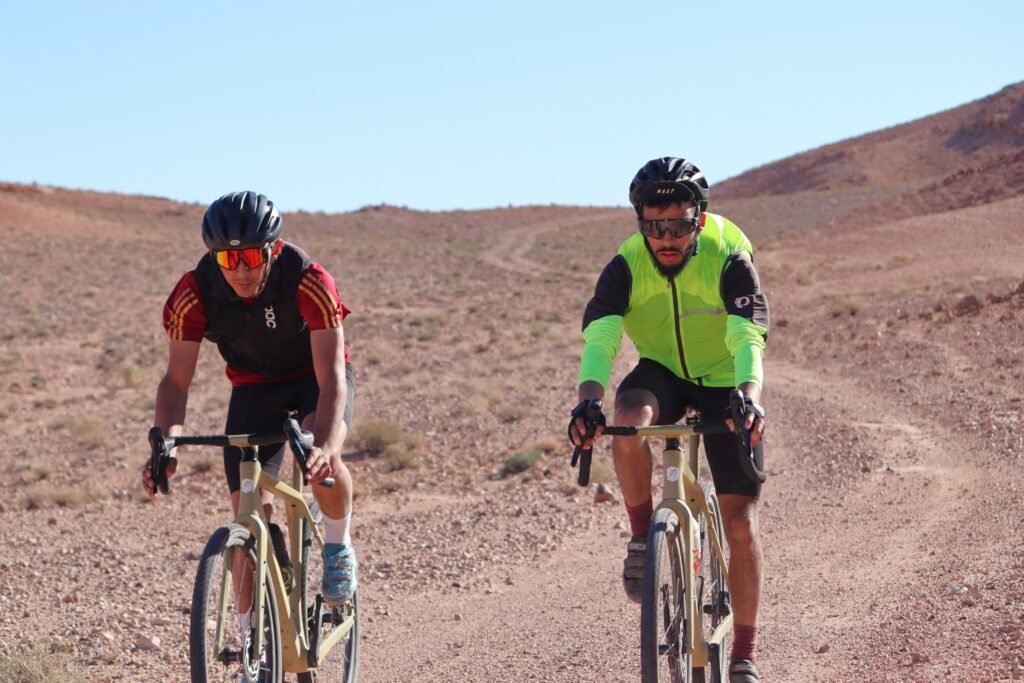
Experience Epic Landscapes on Two Wheels
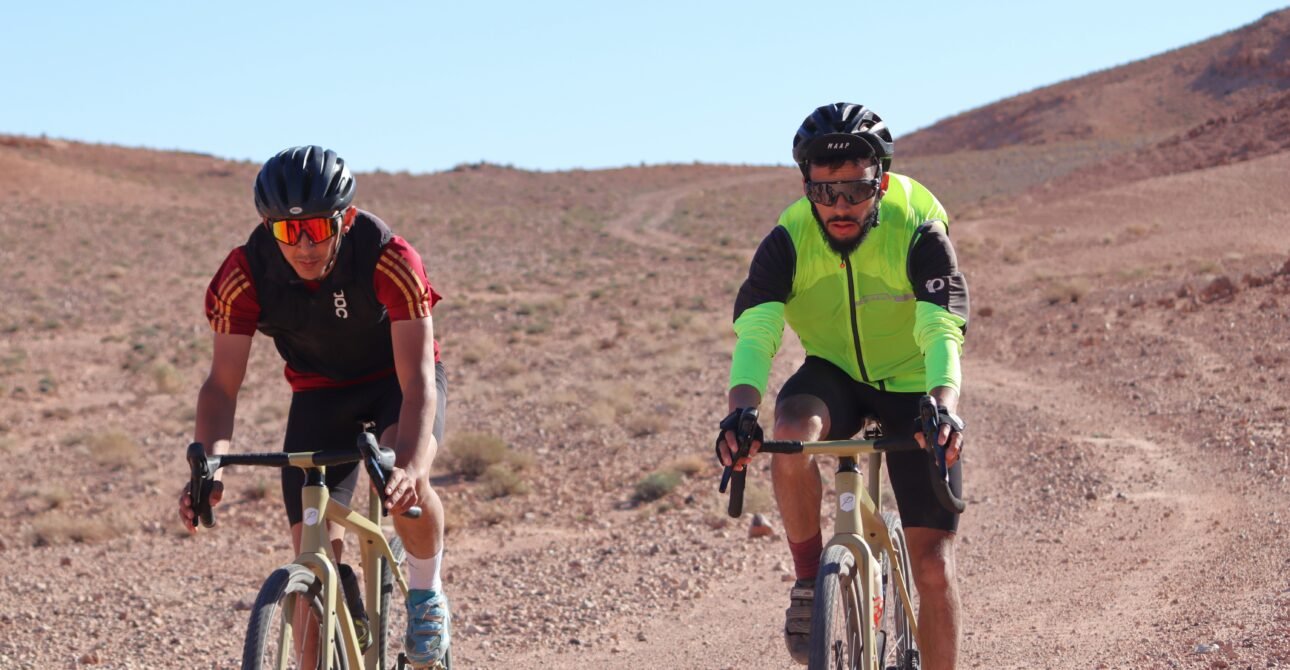
Morocco’s deserts offer some of the most dramatic cycling experiences in the world. Desert bike tours Morocco provide riders with vast open landscapes, long hardpack tracks, and a sense of remoteness that few other destinations can match. From the fringes of the Sahara to pre-desert plateaus, these tours combine adventure, endurance, and cultural encounters.
Whether you ride gravel, MTB, or an e-bike, Morocco’s desert regions deliver unparalleled views and route diversity. This guide explores routes, planning tips, equipment recommendations, and seasonal advice for riders seeking desert bike tours Morocco.
Why Choose Desert Bike Tours in Morocco
Desert rides offer experiences unlike mountain or valley routes:
- Wide, uninterrupted tracks: Ideal for distance and pace
- Remote scenery: Expansive dunes, rocky outcrops, and panoramic views
- Cultural immersion: Ride through small Berber villages and oases
- Low rider traffic: Long stretches of solitude
- Multi-day adventure: Combine riding with camping or lodge stays
Desert tours test endurance, navigation skills, and stamina, but reward riders with unforgettable scenery.
Top Regions for Desert Cycling
Erg Chebbi & Surrounding Dunes
- Famous for large dunes and sand tracks
- Daily rides: 40–80 km
- Mix of hardpack and soft sand sections
Zagora & Pre-Sahara Plateaus
- Rolling gravel plains with minimal traffic
- Excellent for multi-day loops and endurance riding
- Scenic villages along route
Draa Valley Corridors
- Oasis-linked tracks connecting remote settlements
- Opportunities for guided cultural experiences
- Gravel and light singletrack available
Typical Desert Tour Itinerary
Day 1 – Arrival & Acclimatization Ride
Light ride on hardpack desert tracks to adjust to terrain and temperature.
Day 2 – Long Plateau Loop
Full-day ride over gravel plains with minimal elevation changes, optional e-bike support.
Day 3 – Oasis & Village Discovery
Combine cycling with cultural stops in small Berber settlements.
Day 4 – Dune Exploration Ride
Shorter but scenic ride across dunes and rocky outcrops.
Day 5 – Return Ride & Departure
Rolling terrain to finish the tour, optional longer loop for advanced riders.
Tours can be customized for skill level, daily distance, and type of surface.
Equipment & Bike Recommendations
Bike Types
- Gravel bikes for long, stable distance
- Hardtail or full-suspension MTB for dune and technical tracks
- E-MTB for mixed-fitness groups or long climbing sections
Gear Essentials
- Large water capacity (hydration packs recommended)
- Sun protection and layered clothing
- GPS navigation device or preloaded tracks
- Tubeless tires or reinforced sidewalls
Seasonal Considerations
Best riding windows:
- Spring (March–May): Mild temperatures, ideal for long rides
- Autumn (September–November): Dry trails, fewer tourists
- Winter: Comfortable in lowland desert zones
- Summer: Early morning rides only due to heat
Sandstorms are possible in some regions, so monitoring weather is essential.
Guided vs Self-Guided Desert Tours
Guided Tours
- Include route planning, support vehicles, and mechanical assistance
- Provide cultural insight and local knowledge
- Recommended for first-time desert riders
Self-Guided Tours
- GPS tracks and suggested accommodations provided
- Riders responsible for navigation and logistics
- Suitable for experienced riders seeking independence
Both options are widely available for desert bike tours Morocco, depending on comfort and skill level.
Safety Tips
- Carry extra water for long remote stretches
- Protect skin from sun and sand
- Adjust tire pressure for soft sand sections
- Start early to avoid midday heat
- Respect local village customs
FAQ — Desert Bike Tours Morocco
Are desert rides suitable for beginners?
Yes, with guided support or e-bike options, low-elevation routes are beginner-friendly.
How long are daily rides in the desert?
Average 50–80 km, depending on terrain and support.
Do I need special bikes for sand tracks?
MTB or gravel with wider tires is recommended. E-MTB helps for long or soft sections.
What months are best for desert tours?
Spring and autumn provide mild temperatures and optimal trail conditions.
Is navigation difficult in the desert?
A GPS device or guided tour is recommended for safety and efficiency.