Introduction to Desert Bike Tours in Morocco
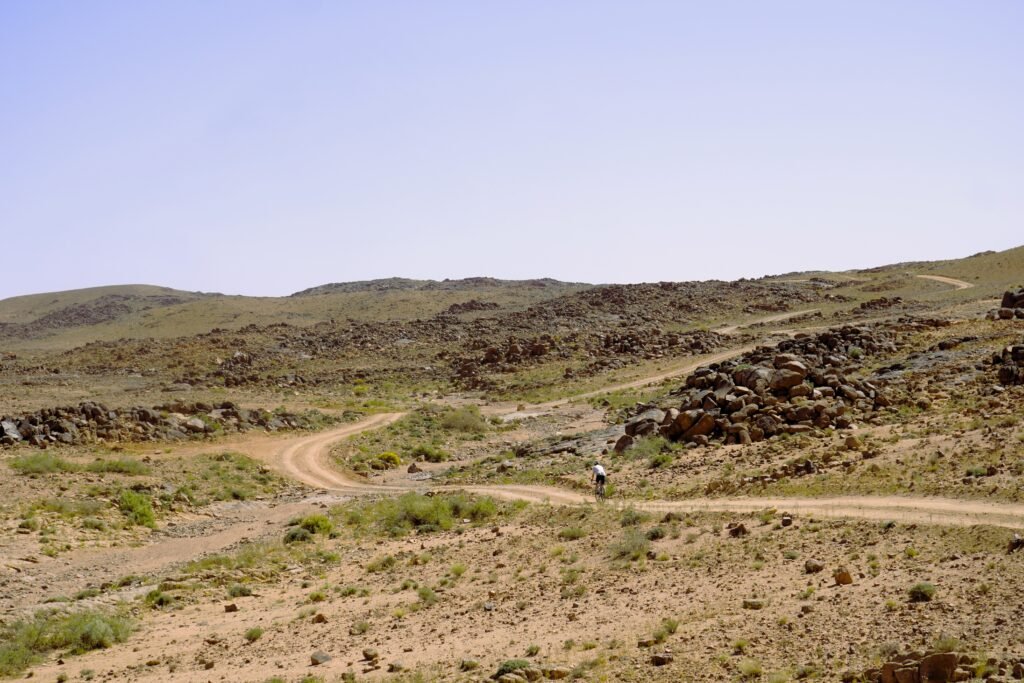
The Moroccan desert, with its vast stretches of golden sand dunes, rugged mountains, and captivating landscapes, offers an adventure unlike any other. A realm imbued with cultural richness, the Sahara Desert draws travelers from across the globe, eager to experience its surreal beauty. Among the many ways to explore this enchanting environment, bike tours stand out as a remarkable option. Riding through the desert not only allows for deeper engagement with the surroundings but also provides an exhilarating rush that is unmatched.
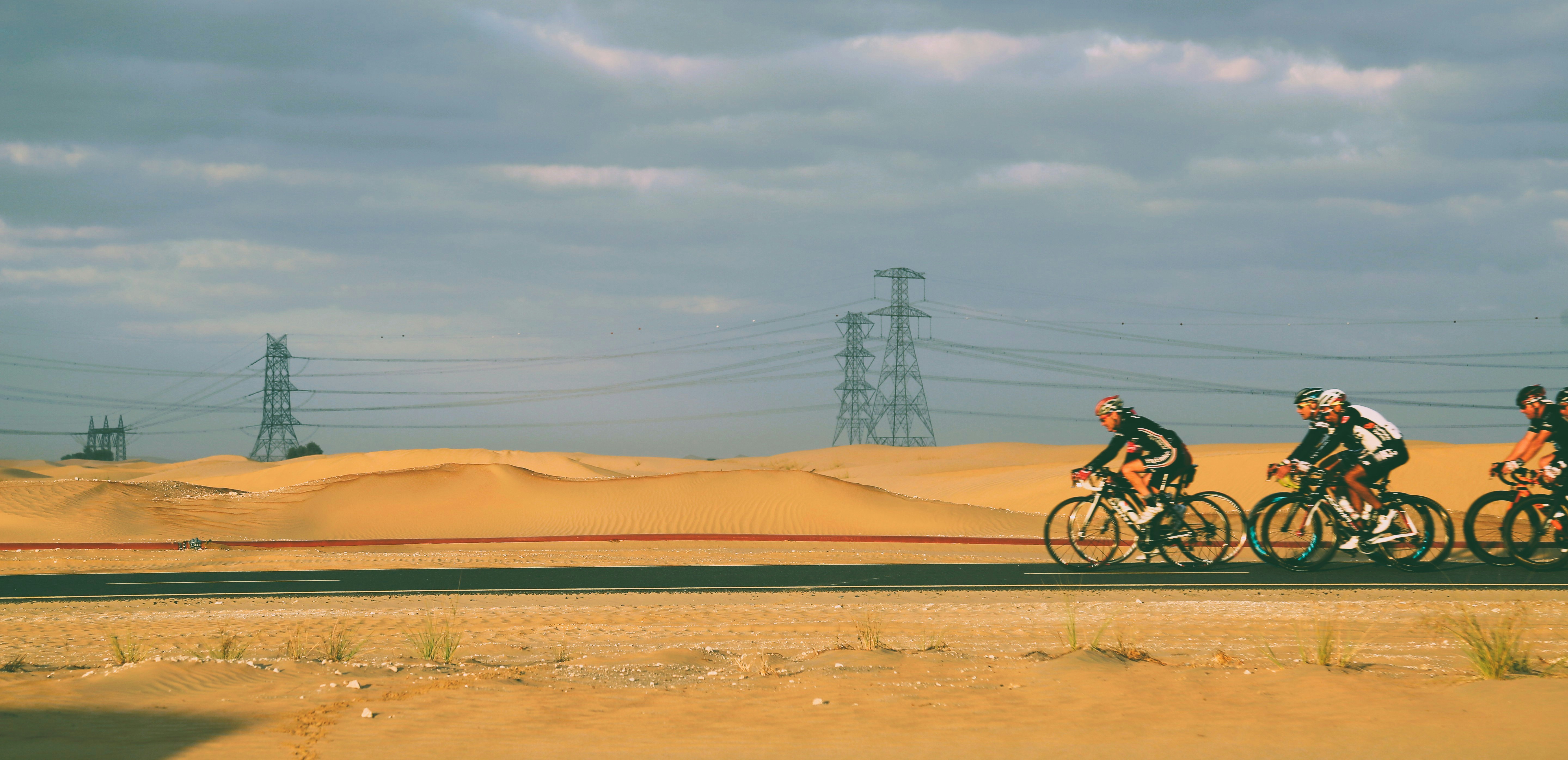
For those seeking a unique adventure, bike tours Morocco brings the experience to life. Picture yourself cycling through undulating sand dunes, feeling the warm desert breeze and the stillness of the vast landscape. Each twist and turn on the trail offers discovery, whether you are traversing ancient caravan routes or local Berber villages. The rhythm of pedaling paired with breathtaking scenery creates an immersive experience that car travel simply cannot replicate.
Furthermore, biking in the Sahara enables an intimate understanding of the desert’s ecology and the diverse communities that inhabit it. These tours often include opportunities for interaction with local tribes, sharing stories and traditions that have been passed down through generations. Visitors gain insight into unique cultural practices, traditional music, and culinary delights that enrich the desert experience.
Choosing to explore Morocco’s desert on two wheels is not just about the physical challenge; it’s also about connection. The allure of bike tours in Morocco lies in the symbiotic relationship between rider and landscape, offering a pathway to uncovering the many wonders that the Sahara has to offer.
Types of Desert Bike Tours Morocco Available
When considering bike tours in Morocco, particularly in the breathtaking Sahara, various options cater to different preferences and levels of experience. The types of desert bike tours available can be categorized into guided tours, self-guided tours, multi-day adventures, and day trips.
Guided Tours: These tours are perfect for those who prefer structure and support throughout their biking experience. Guided tours typically last from a few days to over a week, allowing participants to explore stunning landscapes while being accompanied by an experienced guide. These tours vary in difficulty; some may be suitable for beginners, while others may require more advanced cycling skills. Riders can expect to navigate through sand dunes, oases, and local Berber villages.
Self-Guided Tours: For those who enjoy the freedom to set their own pace, self-guided tours offer a flexible alternative. Participants receive detailed maps and itineraries, allowing them to explore at their leisure. These tours may range from two to ten days and can be tailored based on rider capabilities, making them ideal for both novices and seasoned cyclists. Self-guided tours also emphasize discovery, as riders can stop at various attractions and interact with local culture without a fixed schedule.
Multi-Day Adventures: For avid cyclists seeking a comprehensive experience, multi-day adventures provide an in-depth exploration of Morocco’s expansive desert terrain. These tours often cover significant distances each day and may involve challenging routes. Expect to camp under the stars and immerse yourself in the unique desert environment. Riders should be physically prepared for these endeavors, as they often feature long hours of biking each day.
Day Trips: If time is a constraint, day trips offer a wonderful opportunity to experience the Sahara without a long commitment. Typically lasting six to eight hours, these tours are suitable for people at all fitness levels. Riders can expect to cover fewer miles, allowing them to take in the scenic beauty and atmospheric ambiance without exhausting themselves.
Preparing for Your Desert Bike Tours Morocco
Embarking on a bike tour in Morocco’s mesmerizing desert landscape requires thorough preparation, ensuring that your adventure is both enjoyable and safe. The first step is physical preparation. Desert bike tours can be demanding, so it is essential to build your endurance through regular cardiovascular exercises such as cycling, running, or swimming. Engaging in strength training focusing on your core, legs, and upper body will also enhance your performance and reduce the risk of injury during the ride.
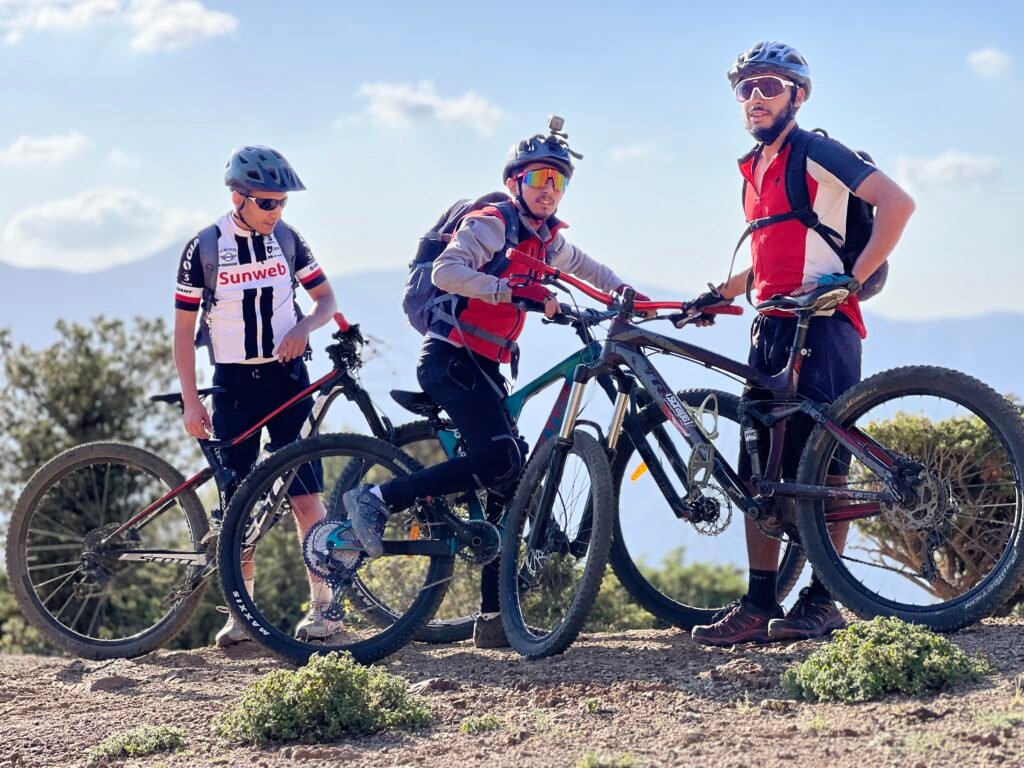
Next, the choice of gear and equipment is crucial. High-quality mountain or hybrid bikes are recommended, as they provide stability on sandy terrains. Make sure to equip your bike with a repair kit, a pump, and spare tire tubes. Besides the bike, ensure you have proper cycling attire, which should include moisture-wicking fabrics, padded shorts for comfort, and sturdy, insulated shoes to protect your feet. A reliable helmet and sunglasses are non-negotiable to ensure your safety while cycling under the sun.
Hydration and nutrition are equally important aspects to consider. The arid climate can lead to dehydration, so it is advisable to carry at least two water bottles and refill them whenever possible. Electrolyte-packed drinks can also help maintain hydration levels during long rides. Nutritionally, focus on energy-dense foods such as nuts, trail mix, and energy bars, which are easy to transport and will provide the necessary stamina.
The best time to join a desert bike tour in Morocco is during the spring and autumn months when temperatures are milder. Additionally, ensure you have the required travel documents, such as a valid passport and any necessary visas. Preparing adequately will enhance your experience, allowing you to fully appreciate the breathtaking scenery and unique culture that Morocco has to offer.
Top Destinations in the Moroccan Desert
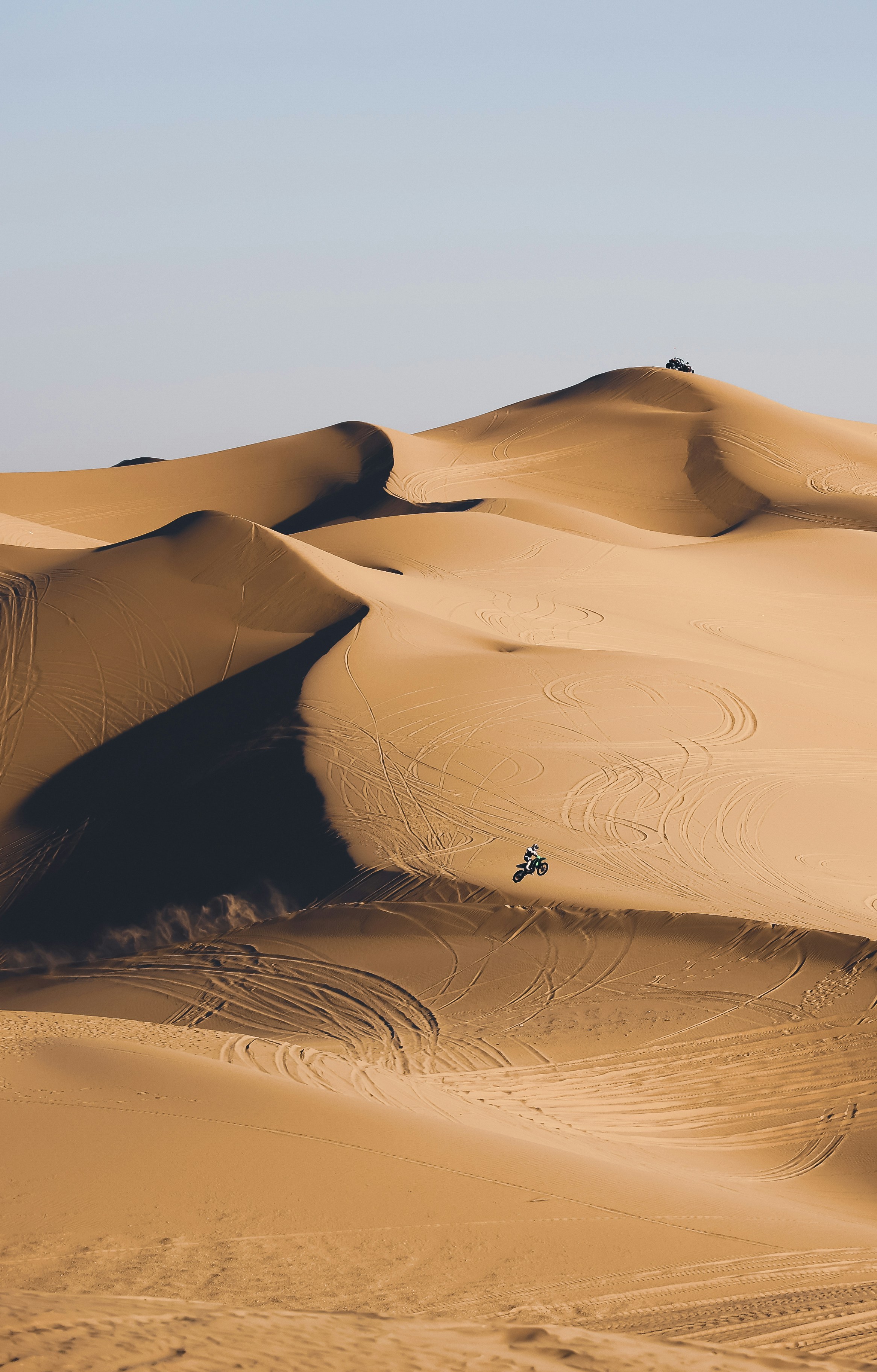
Morocco boasts some of the most stunning landscapes and captivating experiences, particularly in its desert regions. Among the top destinations for bike tours Morocco, Erg Chebbi stands out as a remarkable choice. Located near the village of Merzouga, Erg Chebbi is famous for its towering dunes that reach heights of up to 150 meters. The mesmerizing golden sands provide an ideal backdrop for biking enthusiasts while exploring this enchanting environment. Riders can also indulge in activities such as camel trekking and stargazing, enriching their experience when visiting this iconic location.
Another noteworthy destination is Merzouga itself, which serves as a gateway to explore the vast Sahara. This vicinity offers diverse opportunities for adventure, including guided bike tours that navigate the undulating dunes and surrounding landscapes. Merzouga is particularly renowned for its breathtaking sunrises and sunsets, presenting a spectacular visual feast that captivates cyclists and travelers alike. Participants in bike tours will appreciate the hospitality of local Berber communities, who often share their culture and traditions, adding to the overall charm of the experience.
Zagora is yet another fascinating location for those embarking on bike tours in Morocco. Often referred to as the “Gateway to the Sahara,” Zagora is a small town that is rich in history and culture. Travelers can explore the famous “52 days to Timbuktu” sign, which pays homage to the historic trade routes that passed through this area. The surrounding landscapes, including palm groves and rugged mountains, provide a diverse terrain ideal for biking. The blend of history, culture, and nature makes Zagora an essential stop on any Moroccan desert bike tour, promising unforgettable memories and experiences.
Bike Tours Morocco
Cultural Experiences Along the Way
As riders embark on bike tours Morocco, they are not merely traversing the majestic landscapes of the Sahara, but they are also gaining a deep understanding of the rich tapestry of local culture, predominantly shaped by the Berber communities. The scenic routes lead to traditional villages, where visitors can witness authentic ways of life, far removed from modern distractions. These encounters provide an intimate glimpse into the daily routines, customs, and hospitality of the Berbers, who are known for their warm welcomes and engaging storytelling.
Additionally, part of the cultural experience includes savoring local cuisine that is deeply rooted in Berber heritage. Meals such as tagines, couscous, and traditional bread, often prepared with fresh, locally sourced ingredients, become a celebration of the community’s culinary skills. Participating in cooking classes or communal meals allows visitors to appreciate the subtleties of flavors and cooking techniques, enriching their overall bike tours Morocco experience.
Furthermore, the opportunity for meaningful interactions with local communities enhances the immersive aspect of the journey. Riders can engage in conversations with artisans who craft intricate pottery, textiles, and jewelry, providing insights into the significance of their art forms. Workshops in weaving and pottery can also be arranged, allowing participants to learn the crafts firsthand, creating lasting memories and connections.
Such cultural experiences not only contribute to the riders’ understanding of Moroccan traditions but also foster respect and appreciation for the diverse lifestyles that thrive in the deserts. By embracing these interactions, participants on desert bike tours Morocco are able to depart with not only remarkable stories and images but also a deepened respect for the people and culture that define this iconic region.
Safety Tips for Desert Bike Tours
Participating in bike tours Morocco, particularly those traversing the Sahara Desert, can be an exhilarating experience. However, safety must always be a priority, given the unique challenges posed by desert landscapes. Proper planning, thorough preparation, and an understanding of environmental conditions are crucial elements to ensure a safe adventure.
One of the most critical factors to consider is heat management. The desert can present extreme temperatures, especially during summer. Riders should acclimatize before embarking on extended tours. Wearing light, breathable clothing and utilizing high-SPF sunscreen can protect against sunburn. Moreover, staying hydrated is essential; participants should aim to drink plenty of water throughout their journey. It is advisable to carry extra water supplies and electrolyte-replenishing drinks.
Another aspect of safety involves awareness of potential hazards. Desert terrain can be unpredictable, so it is vital to be vigilant for rocky surfaces, loose sand, or sudden weather changes. Preparing for these scenarios may include evaluating trail maps and checking weather updates before departure. It’s essential to have a well-maintained bike equipped with appropriate tires for sandy and uneven terrain, ensuring it is resilient and dependable during rides.
Lastly, communication strategies in remote areas are paramount. Many regions in the Sahara are remote, with limited cellular coverage. Prioritizing personal safety includes carrying a GPS device, maps, or a satellite phone. In a group setting, ensure that everyone understands the communication protocol in case someone becomes separated from the group.
By employing these essential safety tips while engaging in bike tours Morocco, participants can enhance their experience and mitigate risks associated with desert riding, allowing them to focus on the breathtaking beauty of the Sahara.
Bike Tours Morocco
What to Expect from the Experience
Embarking on a bike tour in Morocco is not merely a physical journey; it is an immersive experience that captures the essence of adventure. Riders can expect to traverse through the stunning landscapes of the Sahara Desert, featuring vast stretches of golden sand dunes, rugged mountains, and picturesque oases. Each pedal stroke reveals a new vista, inviting participants to connect with nature in a profound way.
As you navigate through the rugged terrain, the physical demands of the ride become evident. The varying landscapes challenge riders with steep climbs and thrilling descents, while the soft sands of the desert present a unique test. Participants should prepare for the rigors of cycling in such an environment, as the heat can be intense and the trails may be unyielding. Proper hydration and physical conditioning are essential for fully enjoying the journey.
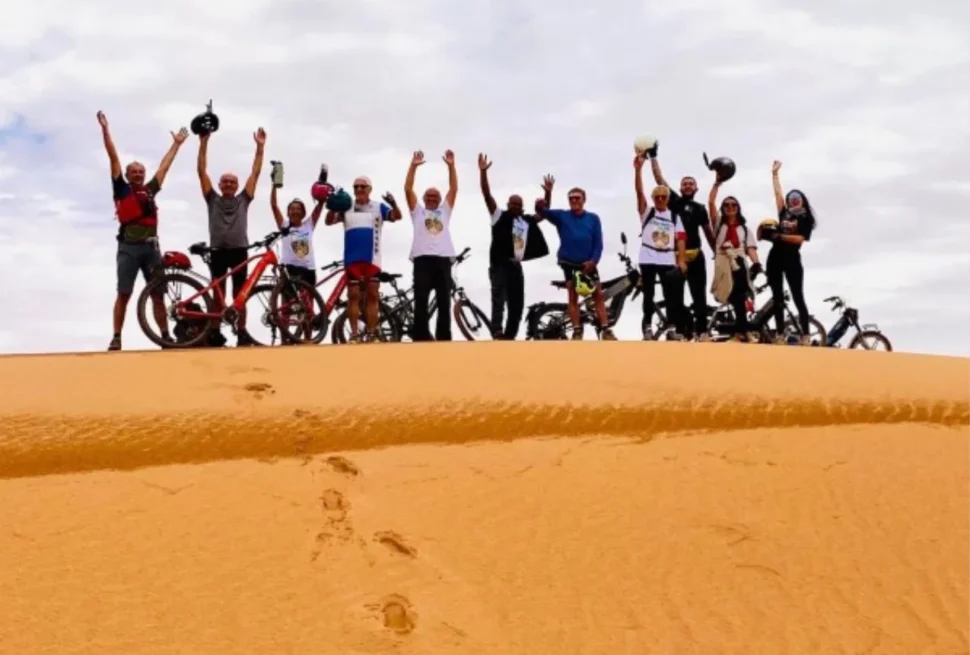
Emotionally, bike tours in Morocco serve not only as a personal challenge but also as a transformative experience. Many riders report feelings of exhilaration and a sense of accomplishment upon completing challenging segments of the ride. The camaraderie formed with fellow cyclists often leads to lasting friendships, as shared memories of breathtaking sunsets and shared triumphs in the face of adversity create bonds that extend beyond the desert.
Testimonials from past participants highlight the warmth of local hospitality, which adds another layer to the adventure. Encounters with nomadic tribes, visits to traditional markets, and sharing stories around a campfire enrich the overall experience, making it one to remember. Riders consistently emphasize that exploring the beauty of Morocco by bike opens up avenues for personal reflections and deep appreciation for diverse cultures.
Bike Tours Morocco
Choosing the Right Tour Company
When planning an adventure such as bike tours in Morocco, selecting a reputable tour company is of utmost importance. Not all companies offer the same standards of service, so thorough research is essential. Start by evaluating the experience of the tour operator. Established companies with a long history in the industry are often more reliable, as they have more experience in navigating the challenging terrains of the Sahara Desert and can handle unexpected situations with greater expertise.
Next, consider reading customer reviews and testimonials. Online platforms such as travel forums and review websites can provide insights into past travelers’ experiences. Look for feedback specifically on aspects like customer service, the condition of bikes provided, and overall satisfaction with the tour. A company with positive reviews indicating a commitment to maintaining quality standards is more likely to deliver an outstanding experience.
It is also important to examine the types of tours offered. Desert bike tours in Morocco can vary widely in scope, duration, and level of difficulty. Prepare a list of your expectations, such as the distance you are willing to cover, the type of landscapes you want to see, and whether you prefer guided or self-guided experiences. Companies that offer a variety of packages and customizable options could be more aligned with your specific interests.
Lastly, ensure the company prioritizes safety. Inquire about the health and safety measures they have in place, including provisions for emergency situations. This diligence can significantly affect not just your comfort, but also your peace of mind while exploring the vast expanse of the Moroccan desert.
Frequently Asked Questions about Desert Bike Tours in Morocco
When considering desert bike tours in Morocco, many potential riders have questions that may help them prepare for their adventure. A common inquiry revolves around pricing. Typically, the cost of a bike tour may vary depending on the duration, level of luxury, and inclusions such as meals and accommodations. It is advisable to check the details of various packages offered by reliable tour operators to find one that fits your budget.
An additional factor to consider is the group size. Many tours accommodate both small and larger groups, providing an intimate experience as well as the opportunity to meet new people. Smaller groups often allow for more personalized attention from guides, while larger ones can foster a sense of camaraderie and adventure among participants. Clarifying your preference prior to booking a bike tour in Morocco can enhance your overall experience.
Another frequently asked question pertains to what to bring on a desert bike tour. Essential items generally include sunscreen, lightweight and breathable clothing, sturdy footwear, and adequate water supply. Since the desert climate can be unpredictable, being prepared for temperature fluctuations is essential. It may also be necessary to carry a personal first-aid kit and any personal medications, considering the remoteness of some biking routes.
Lastly, inquiries about handling emergencies during desert bike tours are important. Professional guides are typically trained to manage common emergencies, including mechanical failures or rider injuries. However, it is wise to familiarize yourself with the specific protocols of the tour operator. Understanding how to access emergency services and being aware of your surroundings can provide peace of mind as you embark upon your Moroccan biking journey.