A Guide to Cycling, MTB, and Gravel Adventures
Introduction: The Allure of Biking in Morocco
Biking Routes in Morocco, a vibrant country nestled in North Africa, has emerged as a premier destination for biking enthusiasts across the globe. Its diverse landscapes, which range from the majestic Atlas Mountains to the expansive Sahara Desert, offer a unique backdrop for various cycling adventures. These stunning terrains not only provide exhilarating rides but also present challenges that cater to different skill levels, making Morocco an attractive location for both novice cyclists and seasoned bikers alike.
The allure of biking in Morocco is further enhanced by its rich cultural heritage and breathtaking views. As cyclists navigate winding trails that cut through ancient villages, they are treated to an immersive experience that combines the thrill of cycling with the opportunity to explore the local customs and traditions. Whether it is the bustling souks in Marrakech or the tranquil Oases in the Sahara, biking serves as an excellent medium to discover the soul of this enchanting land.
This blog post will explore a variety of biking experiences available in Morocco, including road cycling, mountain biking (MTB), and gravel cycling. Each of these disciplines not only showcases the beautiful landscapes but also reflects the growing popularity of biking as a preferred outdoor activity within the country. Road cycling enthusiasts can enjoy scenic routes along the Mediterranean coast, while avid MTB fans can tackle rugged trails in the Atlas Mountains. Meanwhile, gravel cycling aficionados can embark on adventures that lead them through hidden paths connecting lush valleys and serene deserts. As the biking community continues to flourish in Morocco, this guide aims to provide a comprehensive overview of the best biking routes suited to every adventurer’s preference and skill level.
The Diverse Terrain of Morocco: A Biker’s Paradise
Morocco is renowned for its breathtaking landscapes, offering unique terrains that invite cycling enthusiasts to explore its rich diversity. From the towering peaks of the Atlas Mountains to the tranquil coastal roads and vast desert trails, each environment caters to various biking styles and skill levels, making it an exceptional destination for bikers of all kinds.
The Atlas Mountains, known for their rugged beauty, feature a plethora of trails ideal for mountain biking. Cyclists can navigate steep ascents and thrilling descents while absorbing panoramic views of the expansive valleys below. One notable location is the Toubkal National Park, where the highest peak in North Africa, Mount Toubkal, provides challenging routes set against stunning alpine scenery. The experience of biking through traditional Berber villages along these trails adds an extra layer of cultural exploration.
Moving towards the coast, riders can enjoy the gentle winds and stunning oceanic vistas along routes such as the one from Essaouira to Agadir. This coastal stretch offers a more leisurely biking experience, perfect for road cyclists and those looking to enjoy the scenery at a relaxed pace. The charming coastal towns along the way provide opportunities for rest and refreshment, allowing for a reflective pause amidst the excitement of cycling.
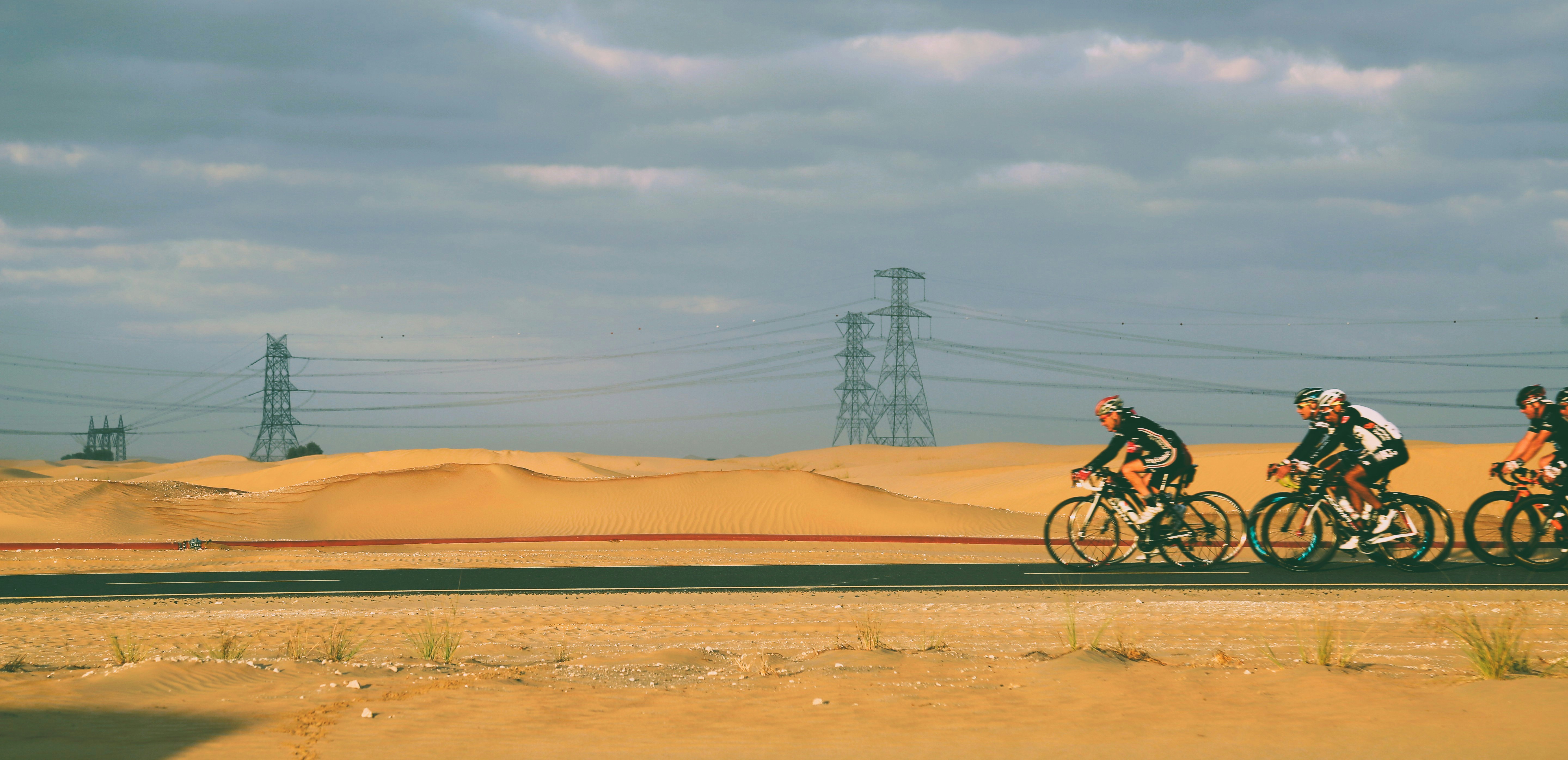
Finally, the Sahara Desert beckons adventure seekers with its surreal landscapes and unique challenges. Routes such as the one leading to Erg Chebbi sand dunes present an exhilarating biking experience amidst golden sands. Here, cyclists can experience the beauty of the desert, with sunrise and sunset rides offering breathtaking views that are simply unforgettable.
With such a range of biking terrains in Morocco, each area contributes to creating a biker’s paradise, ensuring that whether one seeks adrenaline or a tranquil journey, a suitable route is always available.
Cycling Adventures: Road Biking in Morocco
Morocco, with its varied landscapes and rich culture, offers stunning road biking opportunities for both novice and experienced cyclists. One of the most iconic routes is the Route of a Thousand Kasbahs, which winds through the scenic Dades Valley. This enchanting path is known for its breathtaking views of rugged mountains and ancient kasbahs, making it a compelling choice for any cycling enthusiast. As cyclists navigate through this route, they will encounter the local Berber culture, adding a unique experience to their biking journey.
Another notable road biking option is the coastal route connecting Agadir to Essaouira. This picturesque ride along the Atlantic coast gives bikers the chance to enjoy fresh ocean breezes and panoramic views of sandy beaches and rocky cliffs. This route is particularly suitable in the spring and fall, when the weather is mild and the landscape is lush, providing ideal conditions for a memorable cycling adventure.
Preparation is essential for a successful road biking experience in Morocco. Cyclists are advised to ensure they have a reliable road bike, appropriate gear, and hydration packs. It is also crucial to familiarize oneself with local biking clubs, as they can offer invaluable insights on safe routes and community biking events. Engaging with experienced local cyclists not only enhances the biking adventure but also provides an authentic glimpse into Moroccan culture.
Ultimately, road biking in Morocco is an exhilarating way to explore the country’s diverse terrain, historical sites, and vibrant local life. By selecting one of the popular routes and preparing adequately, cyclists can embark on remarkable journeys that leave lasting memories.
Mountain Biking: Conquering the Atlas Mountains
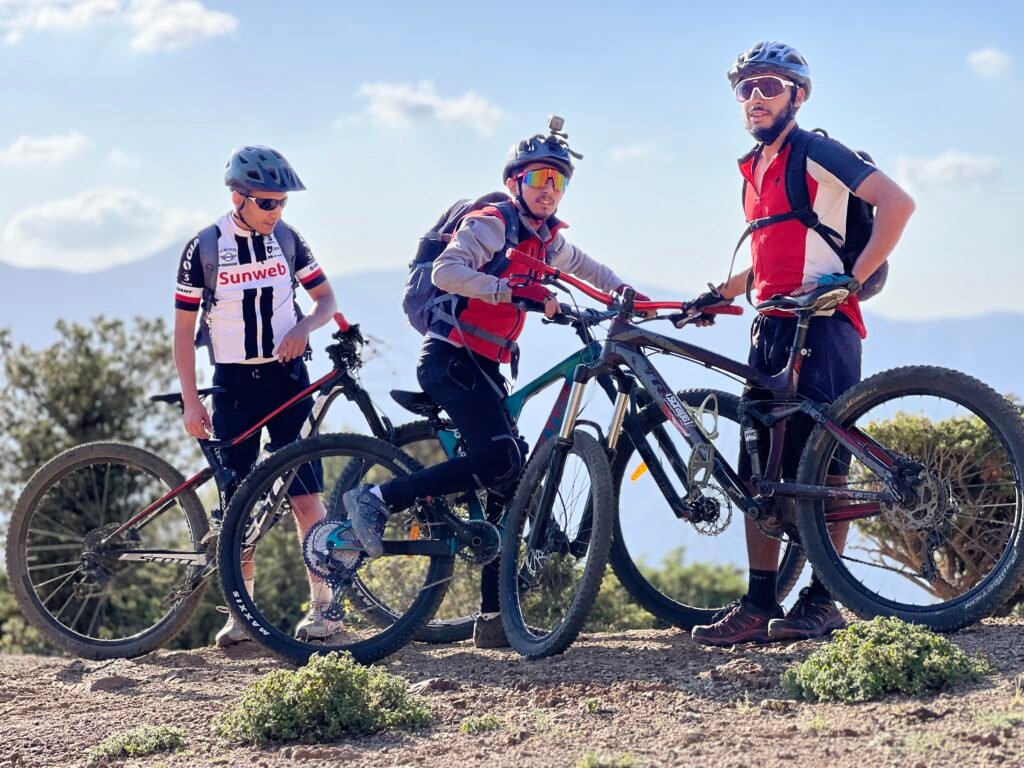
The Atlas Mountains, with their majestic peaks and varied landscapes, provide a thrilling backdrop for mountain biking enthusiasts. This prominent range in Morocco offers a diverse array of trails that cater to different skill levels, making it an ideal destination for both novice riders and seasoned mountain bikers. Among the numerous routes available, those around Imlil and Toubkal are particularly renowned for their exhilarating experiences.
For riders seeking challenging terrain, the trails descending from Toubkal, the highest peak in North Africa, deliver an adrenaline-pumping experience. The steep descents are often interspersed with narrow paths that wind through traditional Berber villages, allowing bikers to immerse themselves in the local culture. These challenging sections require a firm grasp of mountain biking techniques and can range from moderately difficult to extremely demanding, depending on the specific route taken.
The Imlil region is another hotspot for mountain biking, known for its breathtaking views and varied elevation. Trails here often include scenic climbs that reward riders with stunning vistas over the valleys and surrounding mountains. These moderate to advanced trails can be tackled by experienced bikers looking to enjoy both the sport and the natural beauty while also allowing less experienced riders to find suitable routes that match their abilities.
To make the most of a mountain biking adventure in the Atlas Mountains, it is advisable to look for local guides who possess intimate knowledge of the trails. They can provide valuable insights into route difficulties and safety measures, along with recommending biking tours that cater specifically to mountain biking enthusiasts. Engaging with these guides will significantly enhance the biking experience, ensuring riders not only navigate the terrain safely but also savor the stunning landscapes unique to this region.
Gravel Riding: Taking the Path Less Traveled
Gravel riding has witnessed a surge in popularity among cycling enthusiasts, particularly in Morocco. This burgeoning interest can be attributed to the diverse and breathtaking landscapes that the country offers, making it an ideal destination for both seasoned cyclists and novice adventurers. While traditional road riding provides its unique set of challenges, gravel biking opens up a whole new world of exploration in the less traversed terrains of Morocco.
The charm of gravel biking lies in its ability to connect riders with remote villages and scenic backdrops that are often overlooked. The rolling hills of the Atlas Mountains, alongside the expansive vistas of the Sahara Desert, provide a stunning landscape for cyclists looking to immerse themselves in the natural beauty of Morocco. Routes such as those leading to crafted landmarks, ancient kasbahs, and rustic towns offer an authentic experience that enhances one’s connection to the local culture.
However, gravel riding is not without its challenges. Riders may encounter a mix of surface conditions ranging from soft sand to rocky paths. This variability requires cyclists to be adaptable and to possess a degree of technical handling skills. Bikers will also need to plan adequately for provisions given that routes may span remote areas with limited access to facilities. Moreover, the unique climate of Morocco can present its own set of obstacles, from intense heat to sudden changes in weather, which can test any rider’s endurance and preparedness.
Ultimately, the joys of gravel riding in Morocco stem from the thrill of discovery and the opportunity to experience the outdoors in a raw and unfiltered manner. For those seeking adventure beyond the conventional, embarking on a gravel road in Morocco is surely an experience worth pursuing.
Essential Gear and Preparation for Biking in Morocco
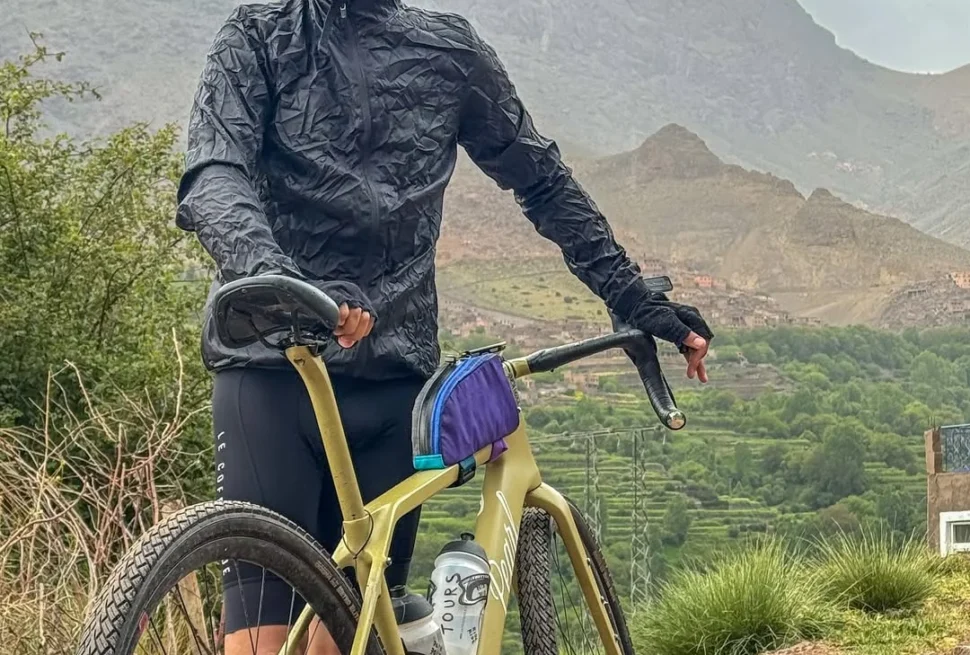
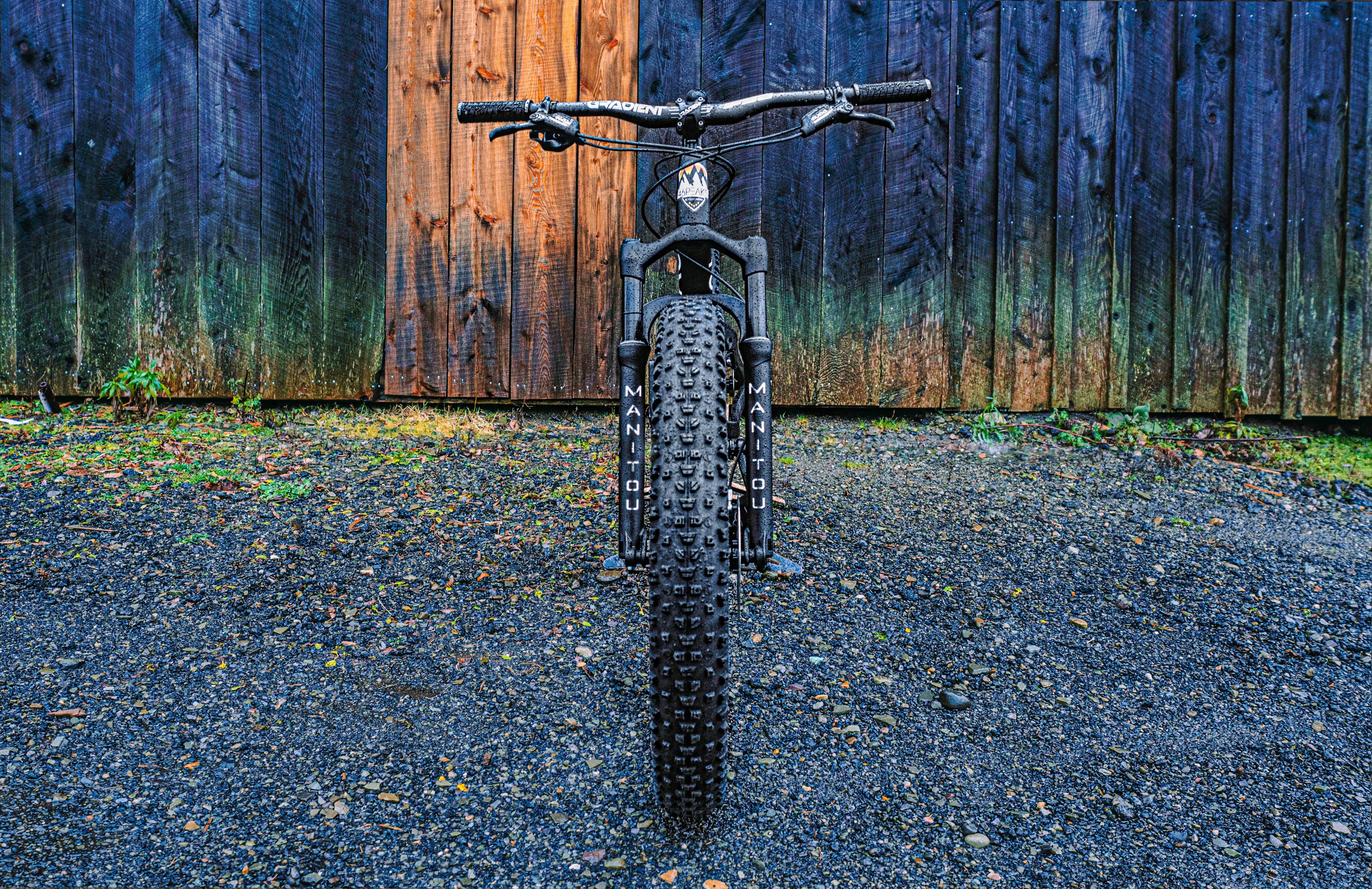
When planning to bike in Morocco, selecting the appropriate gear is vital to navigate the country’s diverse landscapes effectively. The first consideration is the type of bike. For those opting for scenic routes and rugged terrain, a mountain bike (MTB) is recommended due to its durability and stability on uneven surfaces. Alternatively, for long-distance tours that may include paved roads, a gravel bike offers a versatile choice, allowing for smoother rides while still being capable on off-road excursions.
Helmet safety cannot be overlooked. A well-fitted helmet is crucial for any cyclist, ensuring head protection in the event of a fall or accident. Alongside a helmet, other essential accessories include padded cycling shorts, which offer comfort during long rides and reduce chafing, and a reliable GPS system or a detailed map, especially in remote areas where signage may be limited.
In Morocco’s diverse climate, it is important to prepare for varying weather conditions. Lightweight clothing suitable for layering is advisable; this allows for adjustments as temperatures change throughout the day. Packing a waterproof jacket can also prove beneficial during sudden downpours, particularly in the highland areas. Additionally, hydration is key. Cyclists should carry sufficient water to prevent dehydration, particularly during the hot summer months. Hydration packs are a practical option, providing easy access to water while pedaling.
Physical preparedness is equally significant for a successful biking experience in Morocco. Engaging in consistent training leading up to your trip is essential. Build up stamina and strength through regular cycling sessions, emphasizing both endurance and climbing abilities, as many routes feature substantial elevation changes. Lastly, consider reaching out to local rental shops to acquire quality gear and seek advice on specific trails, ensuring a seamless adventure.
Cultural Experiences: Biking Beyond the Trails
Biking in Morocco is not merely an adventure across varied landscapes; it presents a unique opportunity for cultural immersion. As cyclists traverse the scenic routes that link vibrant towns and serene villages, they often find themselves engaging with local communities in meaningful ways. This interaction enriches the biking experience, transforming it from a physical challenge into a cultural odyssey.
One of the most rewarding aspects of cycling through Morocco is the chance to explore local cuisine. Many rural settings offer the opportunity to partake in traditional Moroccan meals, showcasing a blend of rich spices and fresh ingredients native to the region. Cyclists can stop in family-run establishments, where they may be invited to learn the art of tajine cooking or enjoy freshly baked bread accompanied by local olives and cheeses. These culinary experiences allow bikers to savor not only flavors but also the warmth of Moroccan hospitality.
Furthermore, riding through small villages provides access to artisan crafts that reflect the country’s heritage. Travelers can witness craftsmen at work, whether they are weaving colorful textiles, creating stunning pottery, or crafting intricate jewelry. Engaging with these artisans offers a deeper appreciation of Moroccan traditions, and purchasing handcrafted goods directly from the source supports the local economy.
Moreover, cycling through Morocco’s diverse terrains fosters connections beyond mere cultural experiences; it also nurtures friendships. Bikers often share stories and laughter with locals who share a common passion for cycling. Such interactions highlight the universal language of travel and adventure, bridging cultural divides and fostering mutual understanding.
In conclusion, cycling through Morocco provides an unparalleled avenue to experience the country’s rich culture. By opting to explore beyond the trails, bikers not only enhance their journey but also contribute to the preservation of local traditions and communities.
Safety Tips and Regulations for Biking in Morocco
Cycling in Morocco provides an exhilarating experience, but it is imperative for bikers to prioritize their safety and adhere to local regulations. To ensure a secure biking adventure, cyclists should familiarize themselves with traffic laws specific to the region. Unlike many Western countries, traffic in Morocco can be unpredictable, with a mix of vehicles, pedestrians, and livestock sharing the roads. Bikers are advised to stay vigilant and anticipate sudden movements from other road users, which can be especially challenging in urban areas.
When cycling in Morocco, it is advisable for bikers to wear helmets at all times, regardless of the route they are taking. This simple precaution can significantly reduce the risk of injury in the event of an accident. Additionally, wearing bright, visible clothing can help to increase a cyclist’s visibility, particularly during early morning or late evening rides.
Adopting recommended biking practices can enhance safety on the trails and roads. Cyclists should ride in a single file, especially on narrow roads, and always signal their intentions to drivers and fellow cyclists to avoid misunderstandings. When navigating rural trails, be cautious of potential hazards, such as loose gravel and uneven terrain, which may pose a risk to inexperienced riders.
For those embarking on solo biking trips, it is essential to carry a first aid kit and a reliable means of communication. Informing a friend or relative about your planned route and estimated return time can be particularly helpful in ensuring your safety. Group biking offers its own advantages, as cyclists can look out for each other, share knowledge about local routes, and reduce the potential for accidents.
By adhering to these safety tips and regulations, cyclists can enjoy the stunning landscapes of Morocco while minimizing risks, allowing for a memorable biking experience.
Conclusion: Embrace the Adventure of Biking in Morocco
As we conclude this exploration of biking routes in Morocco, it is evident that this country is a treasure trove for cycling enthusiasts. From scenic roads that meander through picturesque valleys to rugged mountain trails that challenge even the most experienced riders, Morocco offers something for everyone. The diverse landscapes, rich culture, and welcoming communities provide an unparalleled backdrop for biking adventures.
The variety of biking experiences available in Morocco is remarkable. Whether you are a road cyclist, a mountain biker, or seeking gravel adventures, the country’s terrains cater to all levels of expertise. Cycling through historic medinas, traversing the picturesque Atlas Mountains, or exploring the coastal paths along the Mediterranean Sea allows riders to connect not just with nature, but also with the local culture and traditions that define this vibrant country.
Moreover, the growing biking community in Morocco enhances the experience for both locals and visitors. As more individuals take up cycling, there are increased opportunities for guided tours, rental services, and biking events. This rise in interest not only promotes sustainable travel but also fosters connections and provides a platform for cultural exchange. Each cycling journey becomes an opportunity to meet fascinating individuals who share a passion for adventure.
In embracing the adventure of biking in Morocco, you are not just undertaking a physical challenge; you are embarking on a journey that deepens your understanding of the land and its people. So, take the plunge, embrace your adventurous spirit, and set out to explore the captivating biking routes that await in Morocco. Your next great adventure begins with the turn of the pedal, leading you through the heart of this enchanting nation.