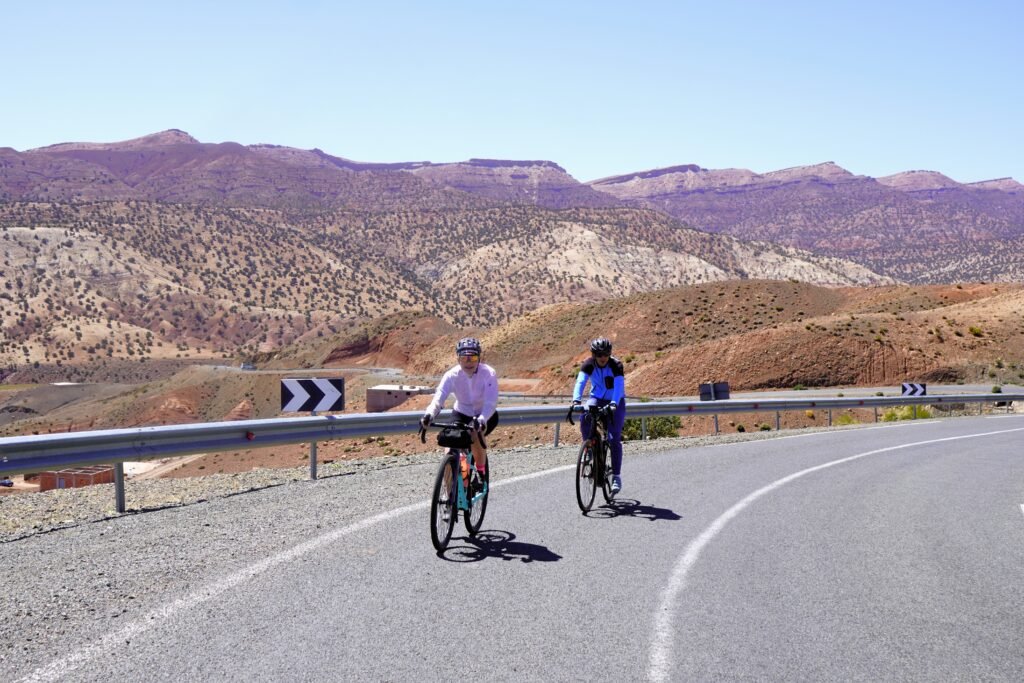
Introduction to Cycling in Morocco
Morocco, with its captivating landscapes and vibrant culture, has become an increasingly popular destination for cycling tours among adventure enthusiasts. The country offers a striking blend of geographical diversity, from the majestic Atlas Mountains to serene coastal routes, attracting both amateur and seasoned cyclists alike. The allure of cycling through Morocco lies not only in the physical challenge but also in the opportunity to immerse oneself in the rich cultural tapestry that the nation proudly showcases.
The cycling experience in Morocco is unique, providing riders with a chance to explore traditional villages, lush valleys, and arid deserts, each offering distinctive vistas and insights into local life. As cyclists navigate through the breathtaking scenery, they often encounter the warm hospitality of the Moroccan people, who are known for their generosity and welcoming spirit. Such interactions add an enriching element to the cycling journey, making it not just a physical adventure but also a cultural exploration.
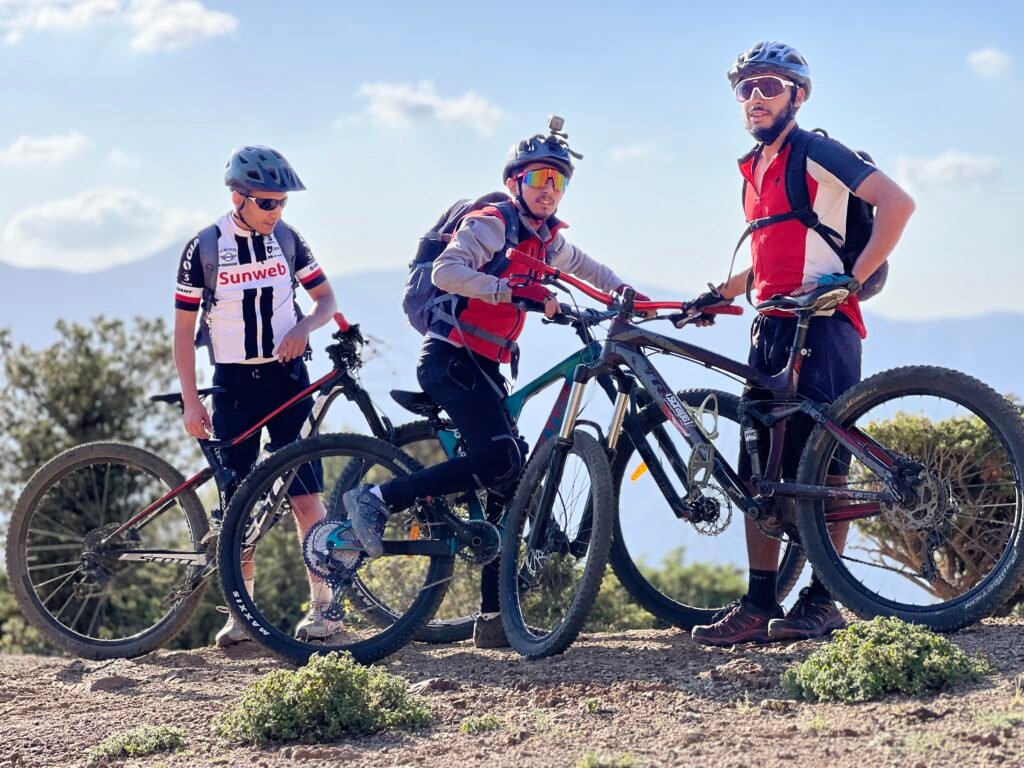
Various cycling experiences cater to different preferences and skill levels. For those desiring a leisurely ride, there are options to meander through picturesque countryside, where cyclists can enjoy peaceful landscapes and fruit-laden orchards. Conversely, more experienced riders might seek out challenging mountain trails that demand both endurance and skill, providing exhilarating views and a sense of accomplishment. Additionally, guided and self-guided tours are available, offering flexibility for individuals or groups wishing to tailor their cycling experience in Morocco.
As cycling tours continue to gain traction amongst travelers, it is evident that Morocco stands out as an ideal backdrop for this adventurous mode of exploration, promising unforgettable moments and a deeper connection with nature and culture.
Choosing the Right Time to Cycle in Morocco
When planning a cycling tour in Morocco, selecting the right time to visit is crucial for an enjoyable experience. The climate in Morocco varies significantly between regions and seasons, which can greatly influence cycling conditions. Generally, the best times to cycle in Morocco are during spring (March to June) and autumn (September to November). During these periods, the weather is mild, making it more comfortable for cyclists to explore the breathtaking landscapes and diverse terrain.
In spring, temperatures are pleasantly warm, averaging between 15°C and 25°C (59°F to 77°F), ideal for longer rides. Additionally, this season showcases the beauty of blooming wildflowers in the countryside, adding to the scenic experience. Cyclists can enjoy the lush green hills and stunning vistas without the oppressing heat. Early spring also coincides with various cultural festivals, offering a bonus for those looking to experience Moroccan traditions alongside their cycling adventure.
On the other hand, autumn presents another optimal window for cycling tours. Average temperatures during this season are similar to spring, often ranging from 18°C to 27°C (64°F to 81°F). The summer crowds have diminished, allowing cyclists to explore popular routes with more tranquility. Moreover, autumn is harvest time in Morocco, providing an opportunity to savor local produce along the cycling routes. The cooler evenings and warm days create an invigorating atmosphere for cycling enthusiasts.
Avoiding the peak summer months (July and August) is advisable due to intense heat, with temperatures often exceeding 40°C (104°F) in the daytime. Such conditions can be physically taxing and potentially dangerous for cyclists. By carefully considering the timing of a cycling tour in Morocco, cyclists can maximize their enjoyment and engage fully with the extraordinary landscapes and rich culture this destination has to offer.
Popular Cycling Routes and Tours in Morocco
Morocco offers a captivating palette of landscapes, making it a prime destination for cycling enthusiasts. The country is home to several iconic cycling routes, each showcasing the diverse geographical beauty ranging from majestic mountains to vast deserts and scenic coastlines.
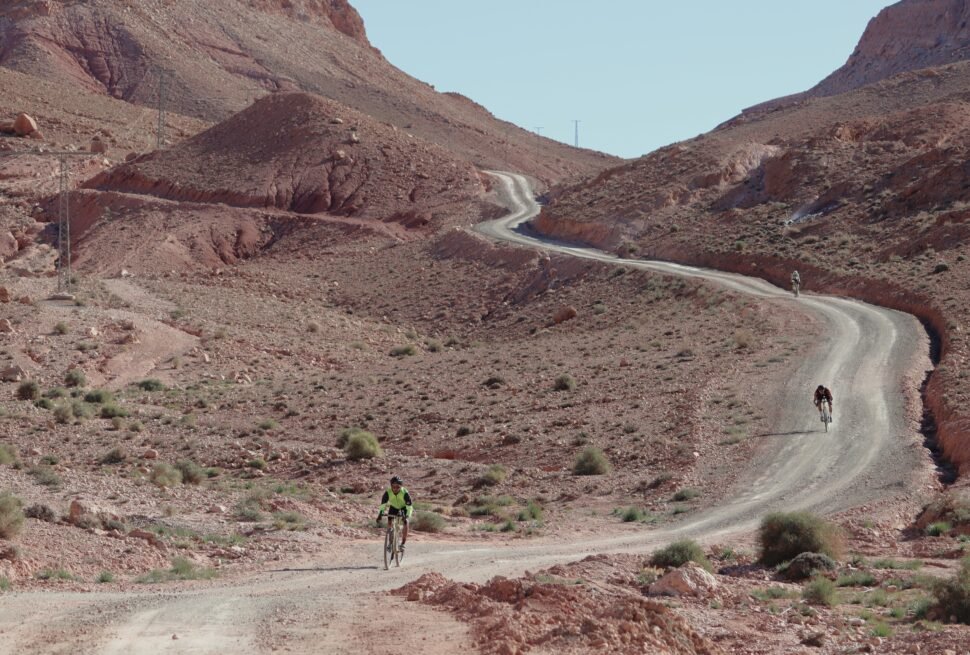
One of the most celebrated areas for cycling is the Atlas Mountains. This region presents challenging terrains and breathtaking views, especially during the spring when the valleys burst with colors from wildflowers. Routes such as the Toubkal Circuit allow cyclists to immerse themselves in high-altitude rides. Additionally, organized tours specifically designed for different skill levels are available here, catering to both novices and seasoned riders.
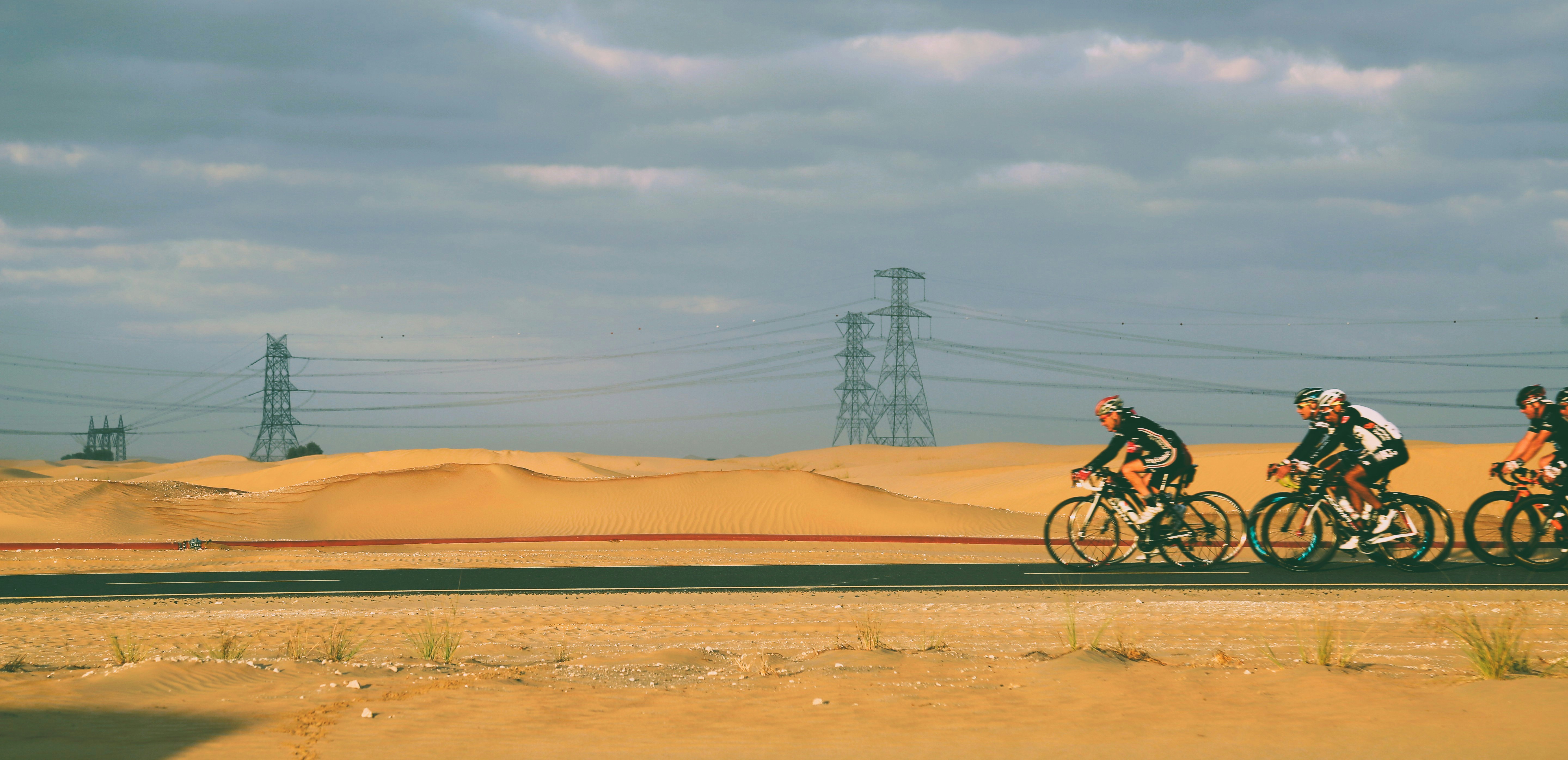
The Sahara Desert provides another unique cycling adventure. Cycling tours like the Merzouga Route enable participants to traverse stunning sand dunes and experience the desert’s tranquility. These tours often include a cultural immersion aspect, allowing cyclists to interact with local Berber communities, enhancing the travel experience. For those who seek a more leisurely pace, sunset rides through the desert come highly recommended, offering spectacular views and an unforgettable atmosphere.
Moreover, the coastal areas of Morocco, such as Essaouira and Agadir, provide an entirely different cycling experience. These regions feature vibrant coastal paths and serene beaches suitable for relaxing rides or intense cycling tours. Various tour operators offer packages that include guided cycling through coastal towns, providing opportunities to explore local cuisine and culture.
In conclusion, whether you are navigating the rugged Atlas Mountains, exploring the vast Sahara Desert, or enjoying the refreshing coastal breezes, Morocco’s diverse routes accommodate cyclists of all skill levels and interests. Organized tours ensure a well-rounded experience, making each journey memorable and enriching.
Essential Gear and Preparation for Cycling Tours
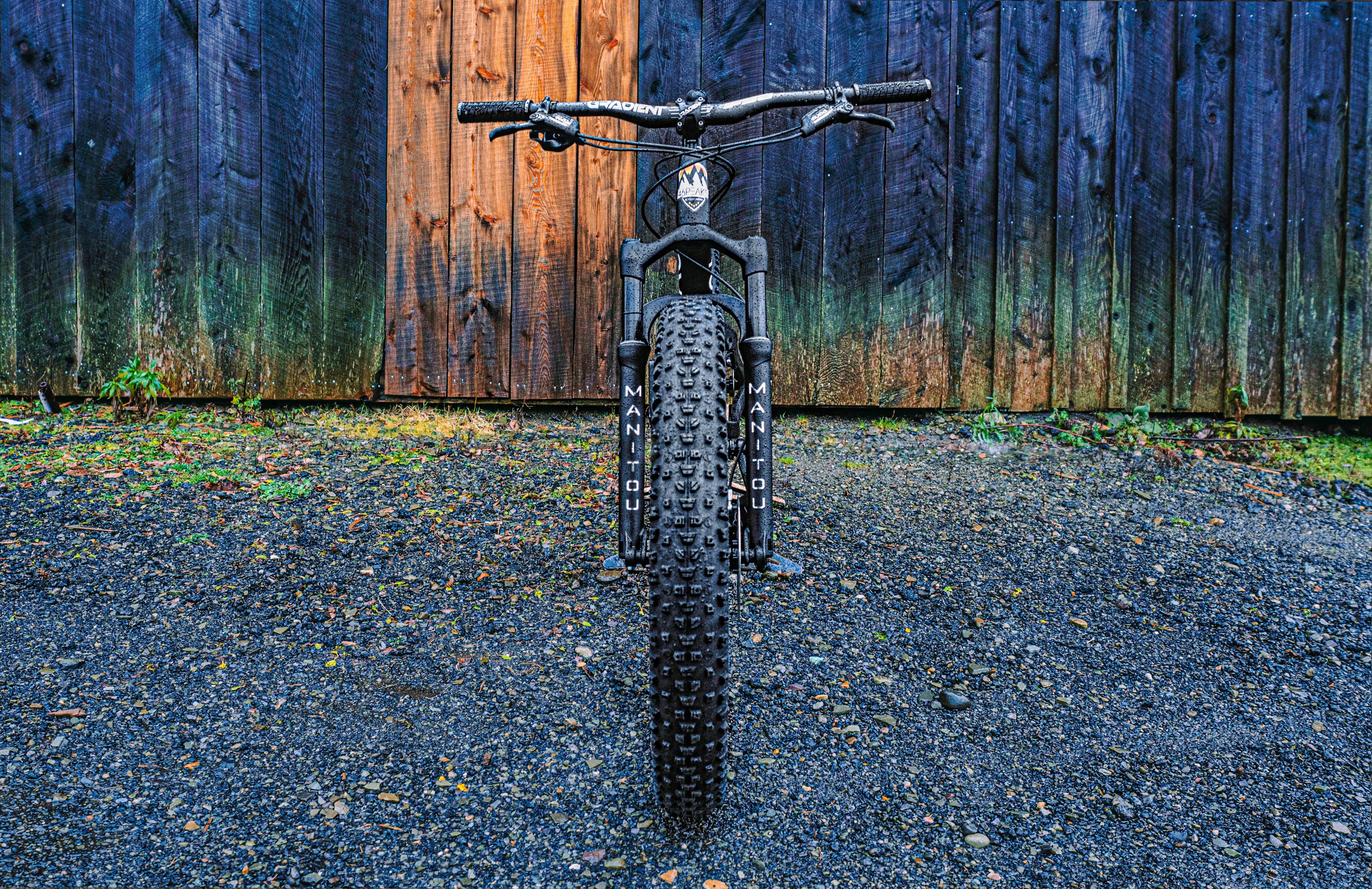
Preparing for a cycling tour in Morocco requires careful consideration of the essential gear and physical training involved. The terrain can vary significantly, necessitating a suitable bicycle choice for off-road and road cycling alike. A reliable mountain bike or a hybrid bicycle is recommended due to its ability to handle rugged trails and steep climbs typically found in the Moroccan landscape. Ensure that your bike is equipped with proper tires that can accommodate both paved and unpaved surfaces.
Clothing plays a crucial role in comfort during your cycling adventures. Lightweight, moisture-wicking fabrics are ideal for maintaining body temperature while biking under the sun. Layering is also important, as temperatures can fluctuate dramatically between day and night. A lightweight, breathable jacket and padded cycling shorts will provide comfort and protection. It’s advisable to wear a helmet to ensure safety on the roads and trails, in addition to knee and elbow pads for extra protection.
Hydration systems are vital during cycling tours in Morocco. A hydration pack is an excellent choice as it allows for easy access to water while riding. Carrying water bottles can also be beneficial, especially in areas where water sources are scarce. Plan to drink water regularly, particularly in warmer climates, to prevent dehydration and maintain energy levels.
Physical preparation prior to departure is crucial in enhancing your cycling experience. Start a training regimen at least six weeks before your trip, focusing on cardiovascular fitness through activities such as cycling, running, or swimming. Gradually increase your cycling distance and incorporate varied terrains to build endurance. Flexibility and strength training exercises can additionally enhance your performance and reduce the risk of injury during the tour.
Cultural Insights and How to Respect Local Customs
When planning to embark on cycling tours in Morocco, it is crucial to understand and respect the local culture. Morocco boasts a rich heritage shaped by various influences, including Arab, Berber, and French cultures. Being aware of cultural nuances will enhance your experience and promote positive interactions with the local population.
One of the primary ways to show respect is by learning a few basic Arabic or Berber phrases. A simple “salam alaikum” (peace be upon you) can go a long way in breaking the ice with locals and demonstrating your eagerness to engage respectfully. Additionally, greeting people properly is essential; initiate conversations with a smile and a cordial acknowledgment. When cycling through villages, it is polite to greet villagers you pass, fostering camaraderie and mutual respect.
Another vital consideration is understanding dress codes. Morocco is a predominantly Muslim country, which means modest clothing is preferred, especially in rural areas. For women, wearing loose-fitting attire that covers the shoulders and knees is advisable. Men should similarly avoid shorts and sleeveless shirts. This adherence to local customs not only shows respect for Moroccan values but also promotes a more pleasant interaction with residents.
When interacting with locals, always ask for permission before taking photographs, especially in rural areas. Many people may feel uncomfortable being photographed without consent. Additionally, ensure that your behavior is polite and considerate; refrain from displaying excessive public affection, which may be deemed inappropriate in conservative settings.
By immersing yourself in the local culture and practicing respect for Moroccan customs, your cycling tour will not only become more enriching but will also foster positive exchanges with the wonderful people who call this beautiful country home.
Cycling in Morocco offers diverse landscapes, from coastal roads to challenging mountain trails. To ensure a safe and pleasant experience, it is crucial to adhere to various health and safety guidelines.
Firstly, road safety is paramount. Cyclists should always wear a helmet and reflective gear, particularly in low-light conditions. Familiarize yourself with local traffic regulations, as driving styles may differ significantly from those in your home country. Keep a safe distance from vehicles and signal your intentions clearly to avoid accidents.
Staying hydrated is essential, especially in Morocco’s arid climates. Cyclists should carry adequate water supplies, refraining from waiting until they feel thirsty to drink. It is advisable to replenish fluids regularly, particularly during prolonged rides in the heat. Additionally, packing electrolyte tablets can assist in maintaining a balanced hydration level during strenuous days.
As cyclists venture into the mountainous regions, awareness of altitude sickness is vital. Symptoms may include headache, nausea, dizziness, and fatigue. If these symptoms occur, it is best to descend to a lower altitude and rest. Gradually acclimatizing to higher altitudes can mitigate these risks, so plan your routes with this in mind.
Emergency preparedness is another key aspect for cyclists in Morocco. Familiarize yourself with local healthcare facilities and have emergency contacts saved on your mobile devices. In case of an accident or health issue, know how to get the assistance you need quickly. It is also prudent to carry a basic first-aid kit to address minor injuries on the road.
In summary, by prioritizing road safety, hydration, altitude awareness, and emergency readiness, cyclists can enhance their overall experience exploring Morocco’s breathtaking landscapes while minimizing health risks.
Accommodation Options for Cyclists
Marrakech, Fes, and the Atlas Mountains in Morocco provide an extensive range of accommodation options suited for cyclists of various budgets and preferences. From luxurious hotels to cozy guesthouses and adventurous camping, the choices cater to the diverse needs of individuals passionate about cycling.
Hotels, particularly in major cities like Marrakech and Agadir, often offer facilities specifically tailored for cyclists, such as secure bike storage, maintenance services, and nourishment tailored for athletes. For instance, the Riad Aloha in Marrakech not only provides excellent service but also offers insight into local cycling routes, making it a perfect base for exploring the nearby landscapes.
Hostels are a more economical choice for cyclists traveling solo or in groups. Establishments such as the Hostel Waka Waka in Fes are known for their welcoming atmosphere and communal areas where cyclists can share their experiences and tips. Many hostels provide bike rental services onsite, which is a convenient option for those who wish to travel lighter.
Guesthouses, often located in rural areas or near significant biking trails, present a unique opportunity to mingle with locals while enjoying a comfortable stay. These accommodations typically offer homemade meals, showcasing Moroccan cuisine which is an added benefit for cyclists needing hearty meals post-ride. A recommended guesthouse is Dar Tiflit in the Atlas region, ideal for cyclists looking for an authentic Moroccan experience.
Finally, for the adventurous spirit, camping in Morocco offers a truly immersive experience. The vast landscapes of the Sahara Desert or the rugged mountains provide staggering views and a unique ambiance. Campgrounds usually cater to cyclists, offering essential amenities while allowing for an engaging connection with nature. This not only helps to recharge after long rides but also provides unforgettable moments under the stars.
Experiencing Moroccan Cuisine on Two Wheels
Exploring Morocco on a cycling tour is not simply about the breathtaking landscapes and vibrant cultures; it is equally an opportunity to indulge in the rich and diverse Moroccan cuisine. As cyclists traverse through towns and villages, the unique flavors of traditional dishes beckon to be experienced. From aromatic tagines to refreshing mint tea, the Moroccan culinary landscape offers something for every palate.
One cannot visit Morocco without sampling a classic tagine, a slow-cooked stew typically made with lamb or chicken, infused with a myriad of spices. Another must-try dish is couscous, often served on Fridays, prepared with vegetables and meat, presenting a hearty option after a day of cycling. For those with a penchant for seafood, especially in coastal cities like Essaouira, grilled fish with a drizzle of lemon serves as a delightful refreshment.
For those looking to delve deeper into local gastronomy, street food is an attractive option. From spicy harira soup to kebabs cooked right in front of you, the street vendors offer an array of delicious, affordable eats. However, it is essential to prioritize safety while enjoying street food. Opt for stalls with high turnover and avoid raw dishes to minimize health risks. Always carry bottled water to stay hydrated throughout your cycling journey.
To find the best local eateries while navigating through Morocco on two wheels, consider asking locals for recommendations or using travel apps catering to food enthusiasts. A casual chat with fellow cyclists can also lead to the discovery of hidden gems serving traditional meals. Thus, by melding cycling and culinary exploration, travelers can enjoy both the physical and sensory delights that Morocco has to offer.
Conclusion: Why Cycling Tours in Morocco Are Unforgettable
Cycling tours in Morocco offer an unparalleled experience that combines the beauty of breathtaking landscapes, rich cultural heritage, and the thrill of adventure. As you traverse the varied terrains—from the majestic Atlas Mountains to the sun-drenched coastal roads—each pedal stroke unveils a new layer of this captivating country. The stunning scenery is complemented by the vibrant culture of Moroccan cities and villages, where visitors can immerse themselves in local traditions and cuisine.
One of the highlights of cycling tours in Morocco is the sense of camaraderie shared among fellow cyclists. As you journey through diverse climates and terrains, the bonds formed with co-travelers become a cherished aspect of the adventure. These shared experiences foster friendships that extend well beyond the tour, creating a community of like-minded adventure enthusiasts. The encouragement and support felt within this group further enrich the experience, making every challenge encountered along the route feel manageable and even enjoyable.
Merging stunning natural beauty with profound cultural experiences, Morocco invites cyclists to explore its hidden gems at a pace that allows for both introspection and connection. It is this blend of adventure and discovery that makes cycling tours in Morocco truly unforgettable. Whether you are an experienced cyclist or a novice looking for a unique getaway, the diverse landscapes and welcoming people of Morocco provide an opportunity to make lasting memories. We encourage you to consider Morocco for your next cycling adventure, as its unmatchable allure promises a transformative journey that resonates long after the wheels stop turning.