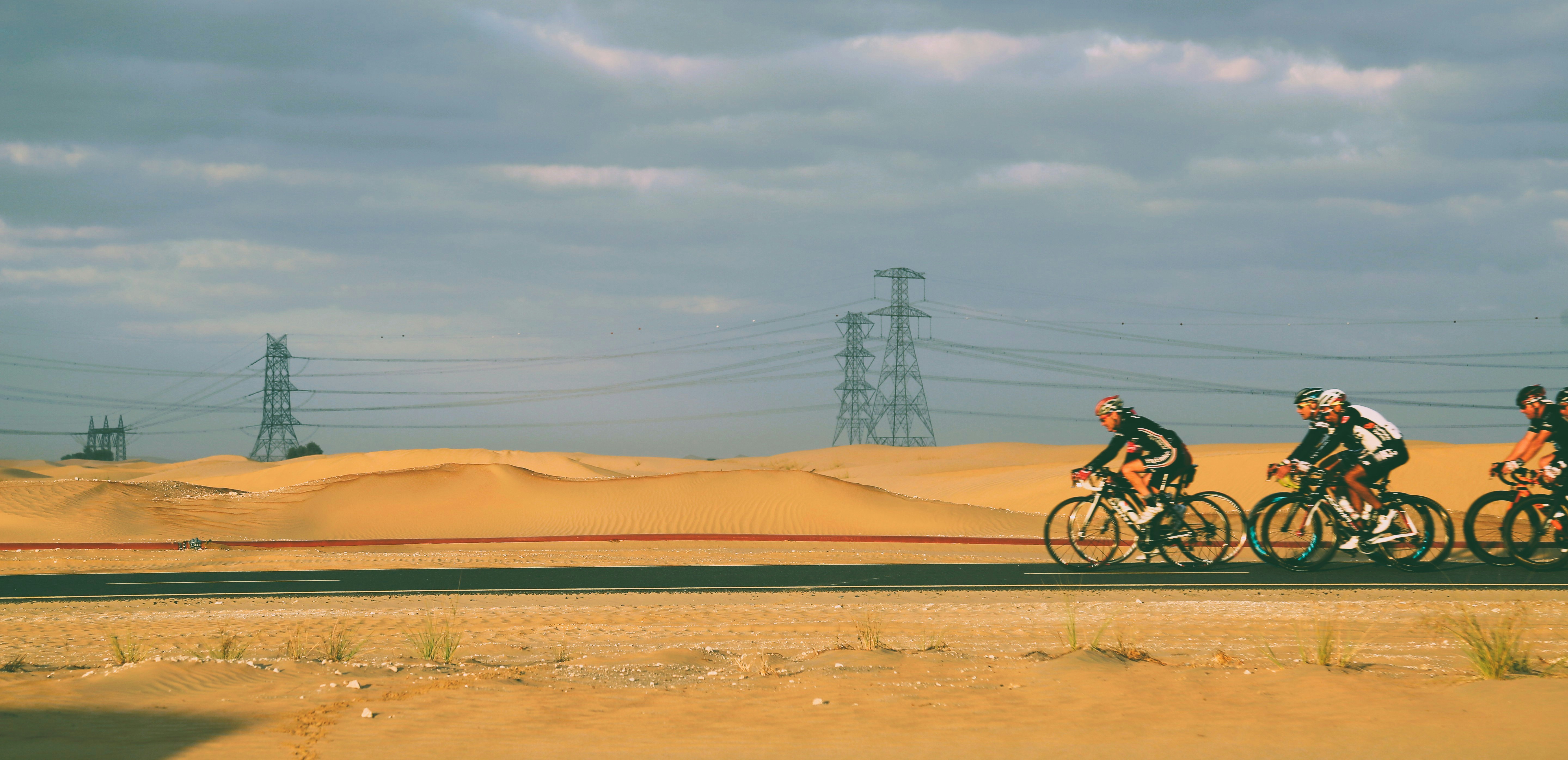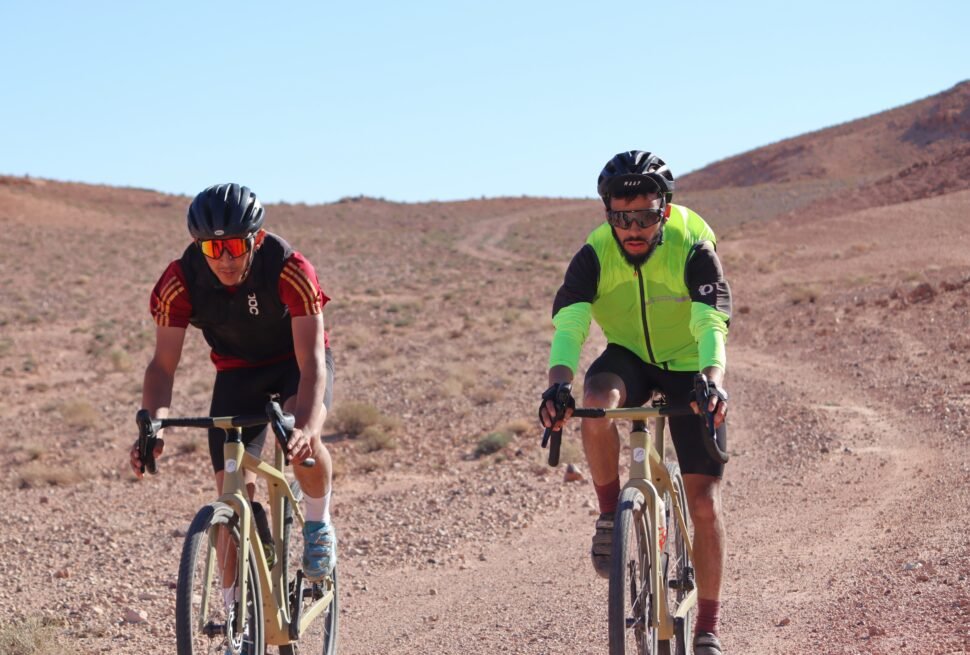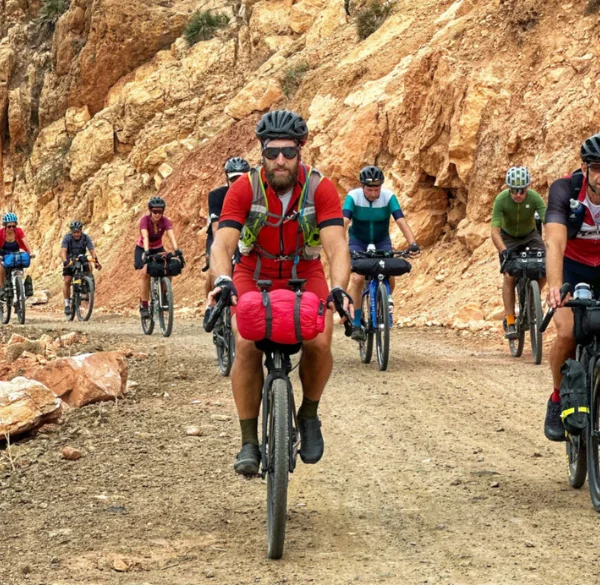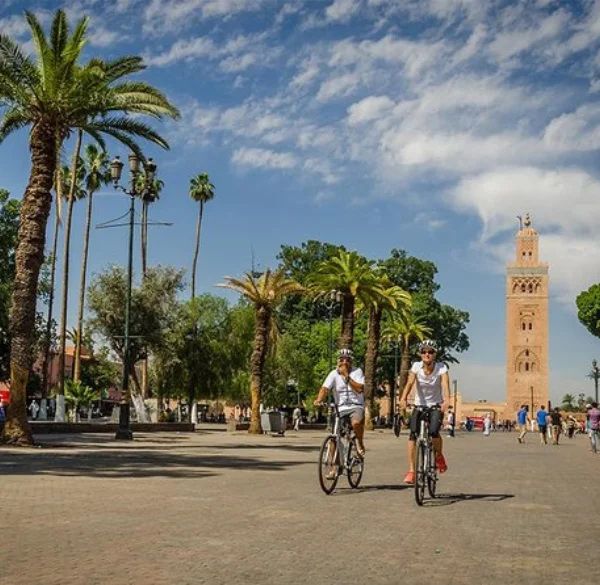
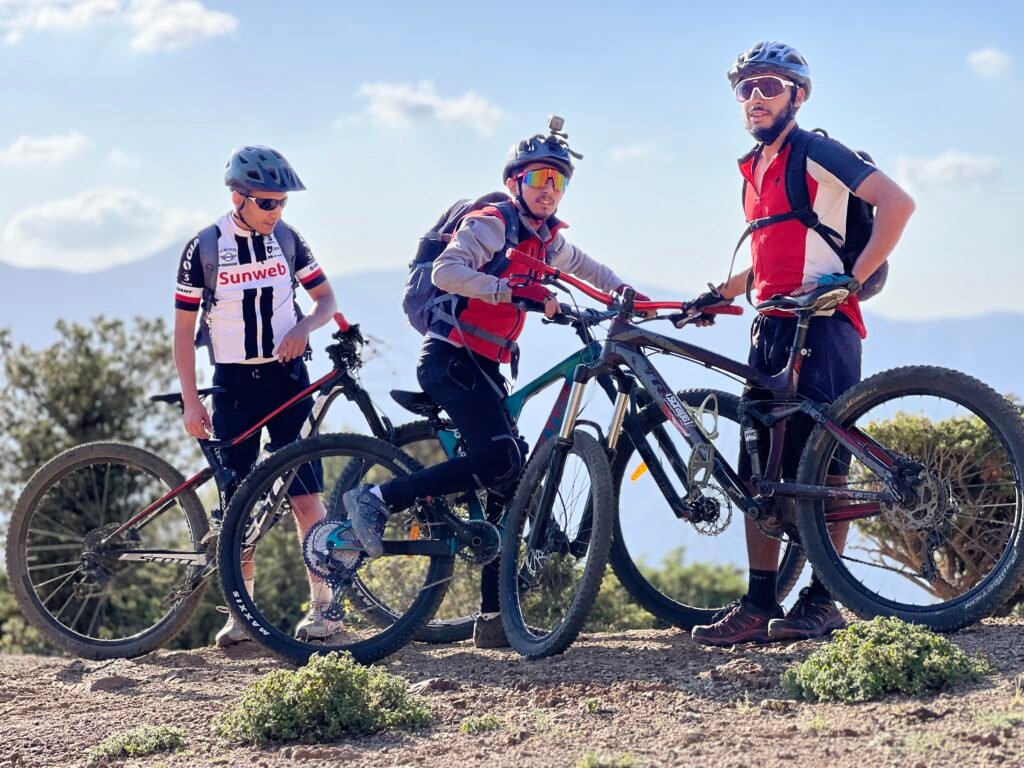
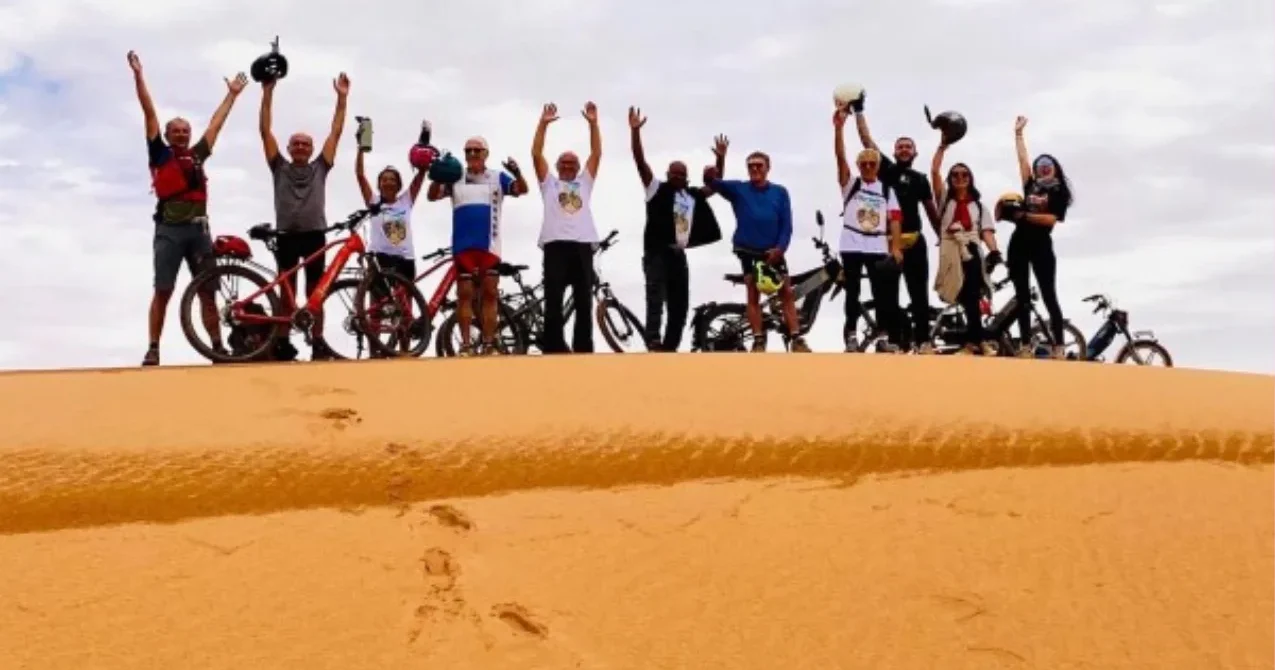
Cycling across the Sahara Desert is an adventure few riders ever forget. Sahara Desert cycling tours in Morocco with MTB, gravel, and e-bike options allow you to explore vast dunes, gravel plains, and remote Berber villages while experiencing Morocco’s desert landscapes in ways few other tours allow. From sunrise rides over soft sand to early morning gravel stretches across plateaus, these tours provide a perfect mix of challenge, solitude, and discovery.
Whether you ride a mountain bike, gravel bike, or e-bike, every tour is tailored to deliver an unforgettable combination of physical challenge, cultural immersion, and breathtaking scenery. This guide will cover the best routes, bike setups, planning tips, seasonal considerations, and essential gear to help you make the most of your desert adventure.
Why Sahara Desert Cycling Tours in Morocco Are Unique
- Epic scenery: Endless dunes, rocky plateaus, and open skies.
- Cultural immersion: Ride past Berber villages and desert communities.
- Low traffic routes: Long stretches of solitude for uninterrupted riding.
- Multi-day adventure: Combine cycling with desert camping or lodge stays.
- Varied terrain: Hardpack, gravel, and occasional sand sections.
Riders experience the desert in ways that combine endurance, exploration, and cultural insight. Each day’s ride tests stamina while rewarding you with iconic desert landscapes.
Top Regions for Sahara Cycling Tours
Erg Chebbi
- Iconic dunes near Merzouga
- Mix of sand riding and hardpack tracks
- Daily rides: 40–70 km
- Ideal for sunset and sunrise photography
Zagora & Draa Valley
- Rolling gravel plains and oasis stops
- Multi-day loops with scenic villages
- Great for cultural encounters along the route
Foum Zguid & Pre-Sahara Plateaus
- Remote gravel tracks connecting desert villages
- Challenging climbs with long panoramic stretches
- Recommended for experienced riders seeking adventure
Typical Sahara Desert Cycling Tour Itinerary
Day 1 – Arrival & Acclimatization Ride
Short loop near Merzouga to adjust to terrain and climate. Gentle dunes and gravel plains let riders ease into desert conditions.
Day 2 – Erg Chebbi Dune Ride
Full-day ride through dunes, optional sandboarding stops, and sunset photography. Experience soft sand handling and desert navigation.
Day 3 – Desert Plateau Gravel
Long-distance gravel ride through pre-desert plains and oasis villages. This day is ideal for e-bike riders or mixed-fitness groups.
Day 4 – Cultural & Scenic Ride
Visit Berber communities, ride shorter loops, and enjoy local cuisine. Experience the rhythm of desert life and interact with local riders.
Day 5 – Return Ride & Departure
Ride through pre-desert plains and soft gravel, finishing the tour with panoramic desert views. Transfer back to Marrakech or the next destination.
Tours are customizable based on rider skill, bike type, or e-bike support, allowing both beginners and advanced riders to enjoy the experience.
Bike & Gear Recommendations
Bike Options
- MTB: Best for dunes and technical desert tracks.
- Gravel bike: Ideal for long gravel plains and hardpack roads.
- E-MTB: Great for mixed fitness groups or long daily distances.
Essential Gear
- Hydration pack and extra water bottles
- Tubeless or reinforced tires
- Layered clothing for temperature swings
- Sun protection: hat, sunscreen, and sunglasses
- GPS device or preloaded desert tracks
- Spare tubes, repair kit, and multi-tool
Optional items: camera, light snacks, and small first aid kit.
Seasonal Considerations
- Spring (March–May): Mild temperatures and stable trails
- Autumn (September–November): Dry trails, low tourist traffic
- Winter: Comfortable lowland rides; higher dunes can be cold at night
- Summer: Extremely hot; early morning rides recommended
Sandstorms can occur, so monitoring weather and being prepared is essential.
Guided vs Self-Guided Tours
Guided Tours
- Support vehicles for luggage and mechanical issues
- Route planning and navigation
- Cultural guidance and local insight
- Recommended for first-time desert riders
Self-Guided Tours
- Preloaded GPS tracks
- Riders manage navigation and luggage
- Suitable for experienced cyclists seeking independence
Safety Tips
- Carry extra water and electrolytes
- Start rides early to avoid heat
- Protect skin from sun and sand
- Respect local customs in villages
- Adjust tires for soft sand sections
- Be prepared for mechanical issues or emergencies
Final Thoughts: Your Sahara Desert Adventure
A Sahara Desert cycling tour in Morocco with MTB, gravel, and e-bike options is more than a ride—it’s a journey through vast landscapes, culture, and adventure. From the first pedal out of Merzouga to sunset over the dunes, every ride tells a story. Guided tours provide safety and local insight, while self-guided tours give experienced riders freedom.
Mix dunes, gravel plains, and oasis villages to maximize the experience. Proper preparation, hydration, and gear ensure smooth rides. Every day’s ride, climb, and village stop adds to your journey, leaving memories that last far beyond the desert sun setting.
FAQ — Sahara Desert Cycling Tours in Morocco with MTB, Gravel, and E-Bike Options
Q1: What makes Sahara Desert cycling tours in Morocco with MTB, gravel, and e-bike options unique?
A: Riders explore dunes, gravel plains, and remote Berber villages while experiencing Morocco’s desert landscapes in ways few other tours allow. Every ride combines endurance, adventure, and cultural immersion.
Q2: How difficult are Sahara Desert cycling tours in Morocco with MTB, gravel, and e-bike options?
A: Difficulty varies. Gravel rides are moderate; dunes and technical singletrack are more challenging. E-bikes make long distances manageable for mixed skill levels. Beginners can enjoy tours with guided support.
Q3: How long are daily rides?
A: Typically 40–100 km. Early morning rides avoid midday heat. Multi-day tours allow riders to pace themselves and enjoy scenic stops.
Q4: When is the best time for Sahara cycling tours?
A: Spring (March–May) and Autumn (Sept–Nov) are ideal. Winter is okay for lowland routes. Summer requires early rides due to heat.
Q5: What type of bike is recommended?
A: MTB for dunes, gravel bikes for plains, and e-MTBs for mixed fitness or longer rides. Rentals are often available.
Q6: Are guided tours recommended?
A: Yes, for support, navigation, and cultural insight. Self-guided is best for experienced riders.
Q7: Essential gear?
A: Hydration pack, reinforced tires, layered clothing, sun protection, GPS, spare tubes, repair kit. Optional: camera, snacks, first aid.
Q8: Are these tours safe for solo travelers?
A: Yes, if experienced and well-prepared. Beginners should choose guided tours.
Q9: Can these tours combine with other regions?
A: Yes. Multi-day itineraries often connect Sahara tours with Atlas Mountain loops or Marrakech rides.
Q10: How to prepare physically?
A: Build endurance with long rides, interval and hill training, and practice technical desert riding.
Q11: What about accommodations?
A: Stays in desert lodges, riads, or tents. Guided tours include pre-arranged lodging; self-guided riders must book independently.
Q12: Additional tips for enjoyment?
A: Start rides early, respect local customs, pace yourself, and take photos—embrace the quiet and vastness of the desert.